
NABH certified blood bank offering 24×7 emergency blood transfusion services, plasma donation, platelet therapy and rare blood group management. Trusted by hospitals across Rajasthan for safe blood storage and compatibility testing.
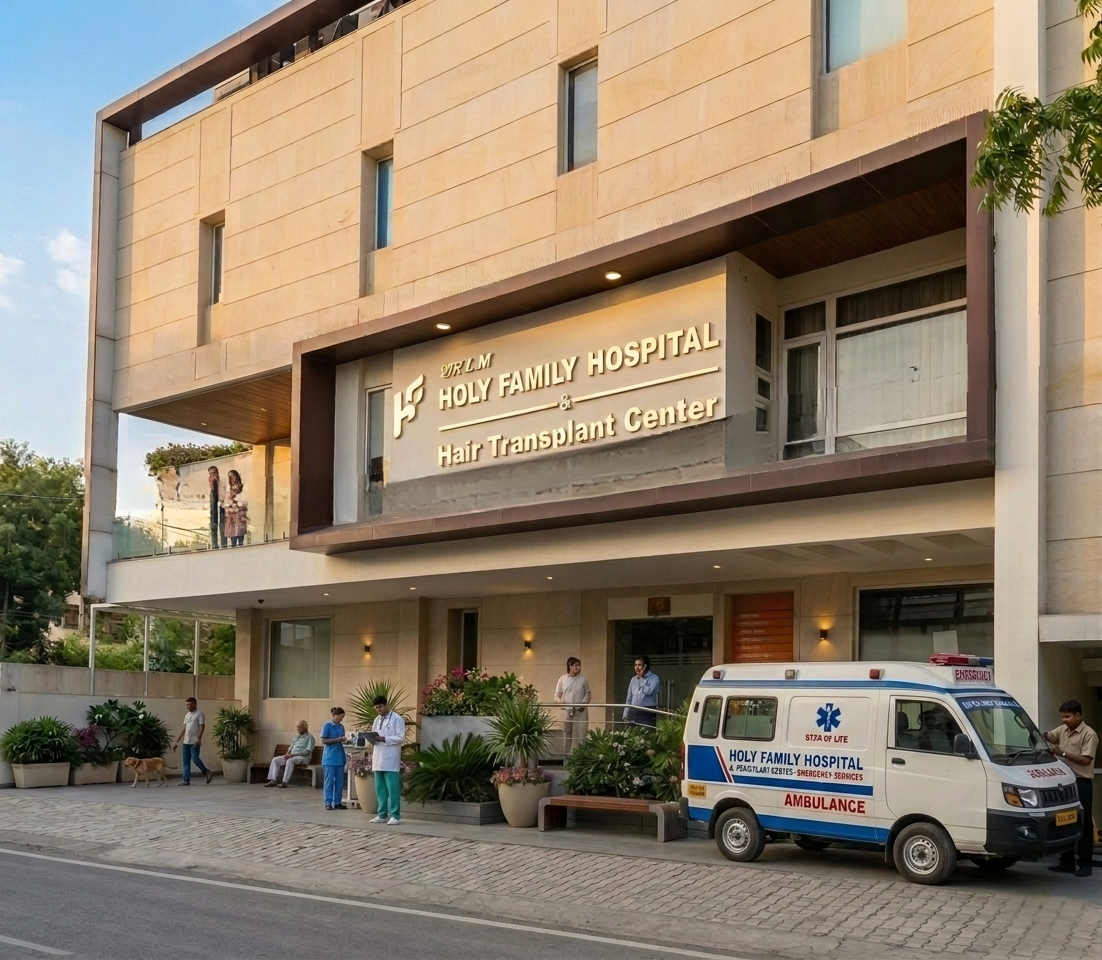
Serving Jaipur since 2008 with excellence in blood banking
Life-saving blood transfusions completed successfully
Round-the-clock blood availability for critical patients
National Accreditation Board for Hospitals & Healthcare standards
Understanding the critical role of blood banks in saving lives through safe blood transfusion services
A blood bank is a specialized medical facility that collects, tests, processes, stores, and distributes blood and its components for transfusion. At Jaipur Lifeline Blood Bank, we maintain a safe and adequate supply of blood to meet emergency requirements and planned medical procedures across hospitals in Jaipur.
Every day, patients in Jaipur hospitals require blood transfusions for surgeries, cancer treatments, childbirth complications, trauma cases, and blood disorders. Voluntary blood donation is the safest source of blood, and our center ensures that every unit donated goes through rigorous testing for HIV, Hepatitis B & C, Syphilis, and other infections.
Plasma donation, or plasmapheresis, is crucial for patients with immune deficiencies, bleeding disorders, burn victims, and those requiring plasma therapy. Our state-of-the-art plasma collection center in Jaipur follows strict protocols to ensure donor safety and plasma quality.
We offer complete blood transfusion services meeting national and international quality standards
Safe blood donation with certified phlebotomists using single-use sterile kits. Regular donation camps across Jaipur.
Specialized plasma donation using apheresis technology. Plasma regenerates in 48 hours, allows frequent donation.
Single donor platelet collection for cancer patients, organ transplant recipients, and those with platelet disorders.
Advanced cross-matching, antibody screening, and compatibility tests to ensure safe blood transfusion.
ABO and RhD typing with extended phenotyping for rare blood groups. Essential for transfusion safety.
24/7 emergency blood provision for trauma cases, surgeries, and critical care requirements across Jaipur.
Our 5-step process ensures donor safety and blood quality
Complete donor registration, medical history questionnaire, and preliminary health check including hemoglobin level, weight, and blood pressure.
Takes approximately 10-15 minutesComprehensive evaluation by our medical officer to ensure donor eligibility. Confidential counselling on donation process and post-donation care.
Performed by certified medical professionalsSterile, single-use collection kit used by trained phlebotomist. 450ml blood collected in approximately 10 minutes in comfortable donation chair.
Painless procedure with minimal discomfortRest for 10-15 minutes with light refreshments provided. Guidance on fluid intake, avoiding strenuous activities, and recognizing any adverse reactions.
Refreshments and donor care kit providedBlood undergoes mandatory testing for transmissible infections. Donor receives certification and can check test results online after 48 hours.
Tests for HIV, Hepatitis B & C, Syphilis, MalariaUnderstanding your blood group for safe transfusion and donation
Can receive from: A+, A-, O+, O-
Can donate to: A+, AB+
Can receive from: A-, O-
Can donate to: A+, A-, AB+, AB-
Can receive from: B+, B-, O+, O-
Can donate to: B+, AB+
Can receive from: B-, O-
Can donate to: B+, B-, AB+, AB-
Can receive from: O+, O-
Can donate to: All Rh+ groups
Universal donor: Can donate to all
Can receive from: O- only
Universal recipient: Can receive all
Can donate to: AB+ only
Can receive from: All Rh- groups
Can donate to: AB+, AB-
While O negative is the universal red blood cell donor, AB positive is the universal plasma donor. Our blood bank maintains special inventory for rare blood groups like O negative and B negative which are often in short supply in Jaipur. Patients with rare blood types should register with our rare blood group registry for emergency alerts.
Transparent and ethical pricing as per government regulations
Human blood is not commercially sold in India. Blood banks charge processing fees for testing, storage, and component separation as mandated by the National Blood Policy and Drugs & Cosmetics Act.
| Service | Approximate Charges (₹) | Description |
|---|---|---|
| Whole Blood Processing | ₹500 - ₹900 | Includes testing, storage, and cross-matching |
| Packed Red Blood Cells | ₹1,000 - ₹1,500 | Red cells separated from whole blood |
| Fresh Frozen Plasma | ₹800 - ₹1,200 | Plasma separated and frozen within 8 hours |
| Random Donor Platelets | ₹400 - ₹700 per unit | Platelets from whole blood donation |
| Single Donor Platelets | ₹6,000 - ₹10,000 | Platelets collected via apheresis |
| Cryoprecipitate | ₹600 - ₹900 per bag | For hemophilia and clotting disorders |
These charges cover:
Most health insurance policies in India cover blood and blood component processing charges. Please check with your insurance provider for specific coverage details.
Specialized plasma collection for therapeutic use and emergency requirements
Plasma donation, or plasmapheresis, is a specialized procedure where only the plasma (the liquid portion of blood) is collected while red blood cells and platelets are returned to the donor. Plasma contains antibodies, clotting factors, and proteins essential for patients with immune deficiencies, bleeding disorders, and burn injuries.
The preferred blood bank for hospitals and patients across Rajasthan
First blood bank in Jaipur with National Accreditation Board for Hospitals certification ensuring highest quality standards.
Round-the-clock emergency blood supply with rapid response team for trauma centers and critical care units.
Blood bank officers, pathologists, and technicians with specialized training in transfusion medicine.
Temperature-controlled storage with 24/7 monitoring, backup power, and alarm systems for blood safety.
Special registry and inventory for rare blood groups like O negative, B negative, and Bombay blood group.
Clear communication about blood availability, processing charges, and donation eligibility with no hidden costs.
Common questions patients ask about blood donation, plasma donation, blood availability, and donor eligibility.
Blood is NOT sold in India. Blood banks charge processing fees for testing, storage, and component separation as per government regulations. These charges typically range from ₹500 to ₹1,500 for different blood components. The blood itself is donated voluntarily and free of cost by donors.
Plasma donation is completely safe when performed at certified centers like ours. We use sterile, single-use apheresis kits and the procedure is supervised by trained medical professionals. Most donors experience no side effects. Some may feel lightheaded, have bruising at the needle site, or feel tired, but these are temporary and resolve quickly.
During a standard whole blood donation, approximately 450ml of blood is collected, which is about 8-10% of the average adult's total blood volume. For plasma donation, 600-800ml of plasma is collected depending on your weight.
To donate blood in Jaipur, you must be: 18-65 years old, weigh at least 50kg, have hemoglobin level of at least 12.5g/dL, be in general good health, and not have donated blood in the last 3 months for whole blood donation.
For whole blood donation, men can donate every 3 months and women every 4 months. For plasma donation via apheresis, you can donate every 28 days as plasma regenerates faster.
You may feel a brief pinch when the needle is inserted, similar to a routine blood test. The donation process itself is not painful. Most donors describe it as a slight pressure sensation.
Whole blood donation takes about 30-45 minutes including registration and screening. Plasma donation via apheresis takes about 60-90 minutes because the machine separates plasma and returns the remaining blood components.
Platelet donation is a specialized form of blood donation where only platelets are collected using apheresis technology. Platelets are crucial for cancer patients, organ transplant recipients, and patients with platelet disorders.
You should wait at least 14 days after recovery from fever before donating blood. If you have taken antibiotics, wait until 72 hours after the last dose before donation.
Rare blood groups in India include O negative, B negative, A negative, and the extremely rare Bombay blood group. We maintain a special registry and emergency sourcing protocols for rare blood types.
You can check blood availability in Jaipur by calling our 24/7 helpline or using the blood availability checker on our website. We maintain real-time inventory for all blood groups and components.
Every unit of donated blood undergoes mandatory testing for HIV 1 & 2, Hepatitis B, Hepatitis C, Syphilis, and Malaria. We also perform ABO and RhD blood grouping.
Whole blood and red blood cells last 35-42 days, platelets last 5-7 days, while frozen plasma and cryoprecipitate can last up to 1 year under proper storage.
No, paid blood donation is illegal in India. All blood donation should be voluntary and non-remunerated to ensure a safe blood supply system.
Before donation: Eat a healthy meal, drink water, get proper sleep, and carry ID proof. After donation: Rest for 10-15 minutes, drink extra fluids, avoid strenuous activity, and eat iron-rich foods.