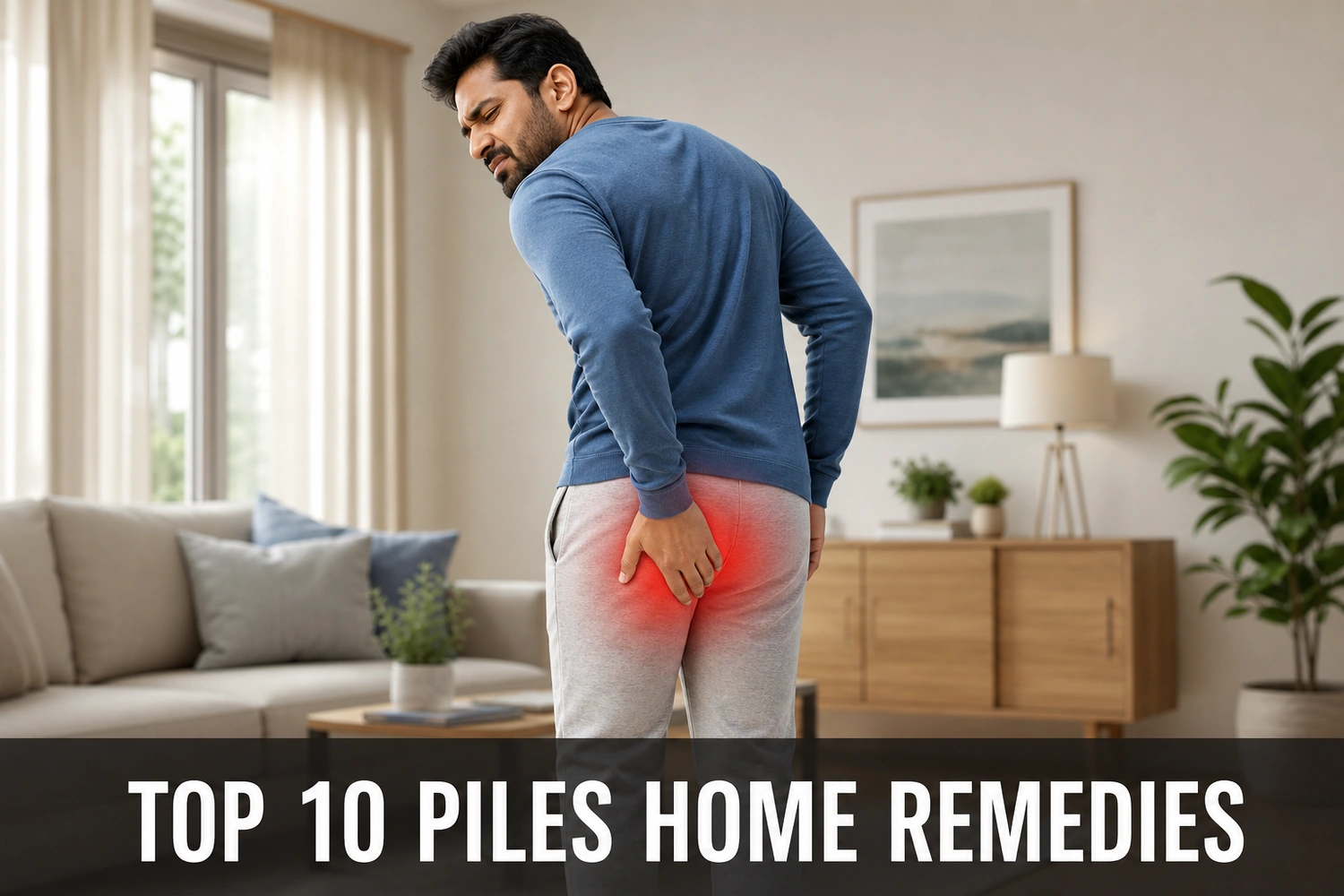
What actually works for piles? Soft stool and less time on the toilet. That means 25–30g of fibre a day built up slowly, three litres of water, three minutes maximum on the seat, a footstool under your feet, and a warm sitz bath twice a day. These ten tips to treat piles work extremely well for early piles and do close to nothing for advanced ones, which is why any bleeding needs one examination before you commit to treating yourself at home.
Nobody walks in on day one. They walk in seven months later, after the 2 a.m. internet searches, after two tubes of ointment from the chemist downstairs, after an aunt’s herbal powder that “cured everything.” By then the problem that a footstool and some fibre could have handled needs a procedure and a day off work.
So before the ten tips, one blunt thing most lists skip: these work extremely well for early piles and do close to nothing for advanced ones. Knowing which one you have changes what you should do this week, and nobody can tell you that from a blog post. Not this one either.
What this page can do is stop you wasting the next six months.
Are you even treating the right thing?
Half the people who self-diagnose piles have something else. Usually a fissure.
Piles bleed. Bright red blood, on the tissue, streaked along the stool, sometimes dripping into the pan. But piles are often not very painful, internal ones especially. There is pressure, itching, a dragging feeling, a sense that something is still there after you are finished. A lot of blood for how little it hurts.
A fissure is the reverse. It is a tear in the skin at the anal opening, and passing stool across it feels like passing broken glass. The pain peaks during the bowel movement and keeps burning for twenty minutes to two hours afterward. People start dreading the bathroom. The bleeding is small, a smear rather than a spill.
| What you notice | Piles | Fissure |
|---|---|---|
| Bleeding | Generous. Drips into the pan, coats the stool | Small. A smear on the tissue |
| Pain | Mild or absent, especially internal piles | Severe, like passing glass |
| After you finish | Heaviness, itching, feels unfinished | Burning continues 20 minutes to 2 hours |
| What you can feel | A soft lump that may come and go | Nothing to feel, just raw pain |
| What the treatment targets | Pressure inside the vessels | Muscle spasm stopping the tear healing |
Blood with mild discomfort, think piles. Severe pain with a little blood, think fissure. Apply fissure logic to piles and you burn a month.
The third possibility nobody wants to mention
Rectal bleeding can also come from a polyp, from inflammatory bowel disease, or from colorectal cancer. None of those announce themselves differently at home. They bleed the same bright red into the same toilet.
If you are over 45, or the bleeding arrived alongside unexplained weight loss, or your stool has become noticeably thinner, or your bowel habit shifted and then stayed shifted for weeks, home treatment is the wrong first move. That is not scaremongering. It is the single reason a five-minute examination is worth doing before you commit to treating yourself.
Piles are common. So is assuming everything down there is piles.
Why you got them in the first place
Piles are a pressure injury. The tissue that becomes a pile is already inside you and always has been: cushions of blood vessels sitting just inside the anal canal that help seal it shut. They are normal anatomy. They only become a problem when repeated pressure engorges them and the tissue holding them in place stretches out.
So the question is never really what causes piles. It is what has been raising the pressure in your pelvis, over and over, for years.
Straining and constipation
The obvious one. Every push generates real pressure inside the abdomen and all of it lands on those vessels.
Long hours seated
Drivers, IT staff, tailors, students in coaching classes, anyone doing twelve-hour desk shifts.
Pregnancy and delivery
Mechanical pressure from the uterus, a gut slowed by progesterone, then pushing in the second stage of labour.
Lifting with the breath held
A gym program or a job loading sacks. Same pressure spike as straining, repeated for sets.
Chronic cough or extra weight
Both raise baseline abdominal pressure all day, whether or not you are on the toilet.
Long-standing diarrhoea
Nobody suspects this one, because piles get associated only with constipation.
And the one that surprises everyone: habitually spending fifteen minutes on the toilet doing nothing in particular. Look at your own list. Usually two or three apply, and usually at least one is fixable this week.
Internal, external, or both
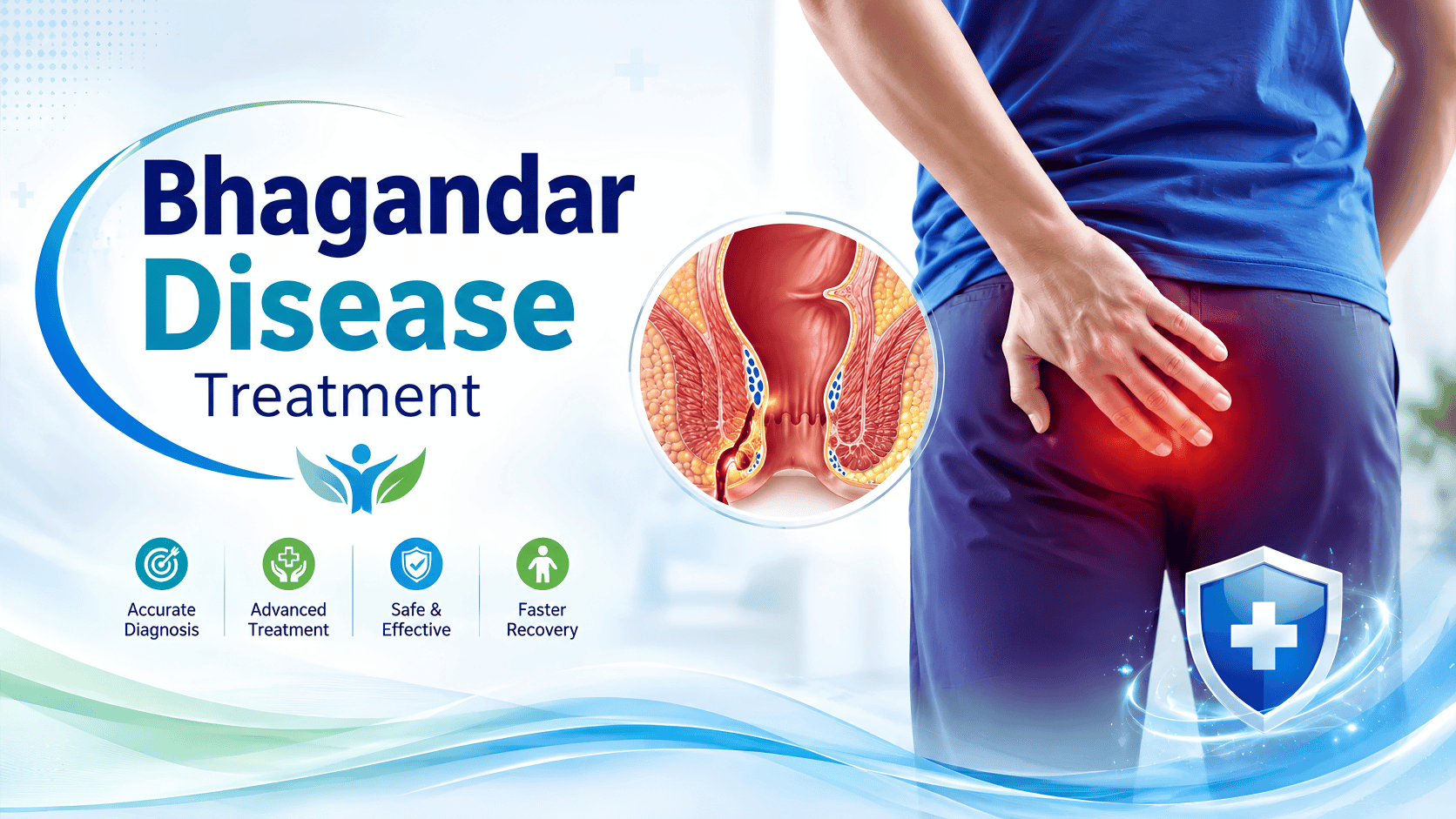
Internal piles sit above the dentate line, the boundary inside the anal canal where the nerve supply changes. Above that line there are almost no pain fibres, which is exactly why internal piles bleed generously and hurt very little. They are also why people ignore them for years.
External piles sit below that line, under skin with full sensation. These are the ones that hurt, itch and can be felt as a lump.
Plenty of people have both at once, which is why the symptom picture gets confusing. You can have painless bleeding from an internal pile and a painful lump from an external one, decide they must be two separate problems, and treat neither properly.
1. Fix the fibre, but climb, don’t jump
Fibre is the whole game. Soft, bulky stool does not need pushing, and piles are, at heart, a straining injury.
The target is roughly 25 to 30 grams a day. Most urban Indian diets, built on maida roti or white rice with a token vegetable, come in well under half that.
Where people fail is the speed of the change. They read something like this, buy every high-fibre item in the shop, and eat all of it on Tuesday. Wednesday brings gas, cramping, and a stomach so bloated they decide fibre does not suit them and stop. Gut bacteria need two to three weeks to adjust to a new load. Add one high-fibre item every three or four days and let your system catch up. Slow is the only version anybody sticks with.
What actually works in an Indian kitchen
Skip the imported superfoods. The cheap stuff outperforms them.
Isabgol, plain psyllium husk, is the most useful item on this entire page and costs almost nothing. One to two teaspoons stirred into a full glass of water and drunk immediately, before it thickens into jelly, once at night. It is soluble fibre, so it holds water inside the stool and makes it soft and slippery rather than merely bulky. That distinction is not academic. Bulk alone, without softness, gives you a bigger hard stool, which is worse.
Beyond that: chana, rajma, whole moong, guava eaten with the seeds, papaya, oats, bhindi, methi leaves, and roti made from whole atta instead of refined flour. Roasted flaxseed powder stirred into curd. Apples and pears with the skin on. Soaked raisins or two soaked figs first thing in the morning.
A day that hits the target without effort
| When | What to eat |
|---|---|
| Breakfast | Oats, or two whole wheat parathas with curd, plus a fruit eaten with the skin on |
| Mid-morning | A handful of soaked almonds, or roasted chana |
| Lunch | Two atta rotis instead of three, a full katori of dal or rajma, and a vegetable that is genuinely a vegetable rather than a potato |
| Evening | Fruit. Guava is the strongest performer and the cheapest |
| Dinner | Early and light, with a salad including raw carrot or cucumber. Isabgol in water before bed |
That is not a diet plan anybody needs to buy. It is roughly how your grandparents ate, and it is the reason this problem was less common in their generation.
2. Fibre without water makes everything worse
This is the tip that gets dropped from most lists, and dropping it causes real harm.
Soluble fibre works by absorbing water. If the water is not there, isabgol becomes a dense plug that is harder to pass than whatever you started with. A lot of people add fibre, get more constipated, and reasonably conclude that fibre was the problem. It was not. The missing three litres was.
Three to three and a half litres a day for an average adult, and more in a Jaipur summer or if your work is physical. You do not need to measure anything to check: pale straw-coloured urine means you are fine, dark yellow means you are behind.
Tea and coffee do not count toward that. Alcohol works actively against you, both by dehydrating you and by slowing the gut for a day afterward.
3. Three minutes on the toilet. That is the limit.
Take your phone in and you will sit there fifteen minutes without noticing.
A toilet seat leaves the anal region unsupported, so blood pools in exactly the vessels you are trying to protect. Sitting and scrolling is, mechanically, a slow squeeze applied to inflamed tissue for a quarter of an hour, several times a week, for years. The newspaper habit some men have kept for four decades is the identical problem with better journalism.
Get in, finish, get out. If nothing is happening after three minutes, stand up and come back later. The urge returns. Sitting and waiting for it does not speed anything up and does measurable damage.
Change the angle, not just the clock
The Indian toilet had this right, and we replaced it for reasons that had nothing to do with health.
Squatting straightens the anorectal angle. There is a muscle sling that loops around the rectum and holds it at a slight kink, which is part of how you stay continent while upright. That kink only releases fully when your knees come above your hips. On a Western commode it stays partly closed, so you end up pushing against your own anatomy and calling it constipation.
Nobody needs to rebuild their bathroom. A small stool under the feet does it, or an upside-down bucket, or a couple of thick books. Knees up, lean forward, elbows resting on the knees, and let the abdomen go soft instead of bracing it hard.
Most people notice the difference the very first morning. It is the highest-value thing on this page per rupee spent, and it costs nothing.
4. Sitz baths, done properly
Warm water is the oldest treatment for piles and still among the best, because it does two useful things at once. Heat relaxes the sphincter that has gone into spasm, and immersion improves blood flow through swollen tissue so it drains.
A basin with three to four inches of warm water. Warm, not hot. Hot water inflames the area further and people overdo this constantly, assuming more heat means faster relief. Sit for fifteen to twenty minutes. Two or three times a day, and always after a bowel movement.
Then pat the area dry. Do not rub it. Moisture trapped in that skin fold causes itching, which people then interpret as their piles worsening, which sends them back to the chemist for a stronger cream they do not need.
5. Never push, never hold
Two habits, both correctable, both doing more damage than anything on your plate.
Straining is the obvious one. You are generating real pressure inside the abdomen and every bit of it lands on those vessels. If it is not coming, it is not ready.
Holding it in is the quieter one, and it is everywhere. Nurses mid-shift. Drivers on a highway stretch. Women managing a school run. Anyone who refuses to use an office bathroom on principle. Stool sitting in the rectum keeps losing water into the colon wall, so the longer it waits the harder and drier it becomes, and the harder you will have to push when you finally go. Ignore the signal often enough and the rectum stops sending it reliably at all.
Go when your body tells you to go. That is the whole rule.
Wiping is doing more damage than you think
Dry toilet paper dragged across inflamed piles is sandpaper on a wound. Water is better and India already has this sorted, so use it.
Wet wipes are an acceptable backup, but read the label. Alcohol and added fragrance both sting broken skin and, used daily, can cause a contact reaction that looks exactly like the piles getting worse. Pat, do not scrub. Nobody has ever solved this problem with more friction.
6. Move, but not in every direction
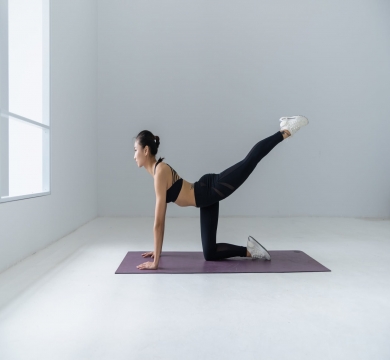
Sitting for nine hours slows everything down, including the gut. Thirty minutes of walking on most days does more for stubborn constipation than any supplement on any shelf. Stand up every hour, even for two minutes. Bodyweight squats and hip mobility work help. Swimming is excellent and puts no pressure anywhere.
Two things at the gym that make piles worse
Heavy compound lifting with the breath held is precisely the same pressure spike as straining on the toilet, repeated for sets, three times a week. Deadlifts, heavy back squats, leg press. If your piles are active, drop the load and breathe out through the effort instead of bracing against a locked throat. Return to your working weights once things settle.
Long-distance cycling is the second. Hours of direct pressure on the perineum through a narrow saddle. If you ride seriously, deal with the piles seriously first, and look at your saddle afterward.
7. A thrombosed pile has a clock running
Sometimes an external pile clots. You will know. It arrives suddenly, it is a hard bluish lump right at the anal margin, and the pain goes from nuisance to genuinely severe within a few hours. People describe sitting down as impossible.
This is the one situation on this page where waiting is the wrong decision.
If a clotted external pile is drained or excised inside roughly the first 72 hours, the relief is immediate and dramatic. After that window the clot begins to organise and the body starts breaking it down on its own, so surgeons will usually switch to conservative management instead. That works too. It just takes a slow and uncomfortable week or two rather than an afternoon.
Same day matters here. Not next week, not after the weekend.
8. Ointments help, but they are a short course
Topical treatment brings swelling and itch down while the actual fixes take hold. That is the correct role for it, and it is a useful one. It is not the treatment.
Preparations with witch hazel or a mild local anaesthetic are fine for symptom relief. Steroid-containing creams work well for about a week and are a genuinely bad idea past two, because steroids thin the skin in that area and leave you with fragile tissue that tears easily. The chemist will not mention this when you ask for a third tube, because the chemist is not the person whose job that is.
Cold helps during the first day or two of an acute flare. Wrap an ice pack in a clean cloth, ten minutes, never ice directly against skin. Cold for acute swelling, warm sitz baths for everything after. A lot of people run these two in the wrong order and wonder why nothing is improving.
Plain aloe vera gel with nothing added is soothing and harmless. It is not shrinking anything, and no cream sold anywhere shrinks a prolapsed pile back into place.
9. Kill the cause you have not noticed yet
Everybody fixes the diet and stops there. The causes people miss are the ones that keep the pressure up in the background.
A chronic cough, from smoking or untreated asthma or a lingering chest infection, spikes abdominal pressure hundreds of times a day. Treat the cough or the piles keep coming back.
Long-term stimulant laxative use, including most of the herbal detox powders sold for this exact problem, gradually makes the colon lazier and leaves you more dependent and more constipated than when you started.
Standing jobs matter as much as sitting ones. Security guards and shop staff on their feet for ten hours have their own version of this. Crash diets are a quiet contributor too, because cutting food volume hard drops stool volume with it, so the bowel turns irregular and you strain over small dry pellets.
10. Get looked at once, properly
The tenth tip is the one people skip, and skipping it is how the ugly cases happen.
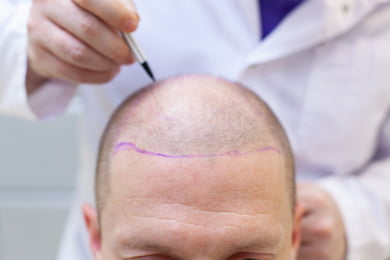
Most people avoid the examination because they imagine something far worse than what it is. A proctoscopy takes a few minutes. You lie on your left side with your knees drawn up, a lubricated instrument about the width of a finger goes in, the doctor looks, it comes out. It is uncomfortable for perhaps thirty seconds. There is no anaesthesia, no preparation, no fasting, and you walk out and get on with your day.
That short procedure tells you your grade, confirms it is piles and not a fissure or a polyp, and settles whether the ten tips above are enough on their own or whether you are wasting your time with them. It is difficult to think of a better trade for thirty uncomfortable seconds.
Top 10 helpful tips to treat piles, condensed
Screenshot this part.
- Confirm it is piles, not a fissure. Bleeding with mild pain versus severe pain with little blood.
- Build to 25–30 grams of fibre a day, slowly, across two to three weeks.
- Three litres of water minimum, or the fibre backfires on you.
- Three minutes on the toilet. Phone stays outside.
- Footstool under the feet, lean forward, abdomen soft.
- Warm sitz bath, fifteen to twenty minutes, two or three times daily.
- Never strain, never postpone the urge.
- Walk daily, ease off heavy lifting and long rides while it is active.
- Ointments for a week or two only, never as the long-term plan.
- Any bleeding gets examined at least once. No exceptions.
That last one is not filler. Every proctologist has met the patient who treated their piles successfully at home for a year and turned out to have had something else the entire time.
The first 48 hours of a bad flare
When it is actively painful and bleeding, the order matters more than the list.
Start the sitz baths immediately, three times on day one. Take the ice for ten minutes between them if there is a visible swollen lump. Get isabgol in that night, without fail, because the next bowel movement is what decides whether tomorrow is better or worse. Drink more water than feels necessary. Skip the gym. Put the footstool in the bathroom before you need it, not after. Do not use dry paper for the next two days at all.
If you are bleeding enough to colour the water rather than streak the tissue, or the pain is bad enough that you are avoiding eating so you will not have to go, that is not a home management situation any more.
When home treatment is quietly wasting your time
Internal piles get graded one to four, and the grade decides whether any of the above can succeed.
| Grade | What it does | Will home treatment fix it? |
|---|---|---|
| Grade 1 | Does not come out at all. Bleeding is the only sign | Yes. Diet and habits handle this beautifully |
| Grade 2 | Comes out when you strain, goes back on its own | Usually. Still very responsive |
| Grade 3 | Comes out and stays out until pushed back by hand | Partly. Bleeding improves, the prolapse does not |
| Grade 4 | Stays outside, cannot be pushed back | No. Anyone promising otherwise is selling you a delay |
Around grade 3 the honest advice shifts from fixing the habits to fixing the habits and getting the piles dealt with properly. The habits still matter enormously. They are what stops the problem returning after any procedure. They just stop being sufficient on their own.
We built the laser piles service at CBLM Holy Family Hospital largely around the people who arrive at exactly this point, because the old operation was destroying people’s willingness to come in at all. Patients had heard about conventional hemorrhoidectomy from a cousin who could not sit properly for three weeks, and that one story kept them at home with an ointment for another eighteen months while a grade 2 quietly became a grade 4. Shortening the recovery changed who was prepared to walk through the door in the first place.
What the procedures actually involve
| Procedure | Best suited to | What to expect |
|---|---|---|
| Rubber band ligation | Grades 1 to 3 | OPD, no anaesthesia. The pile drops away in about a week. Dull pressure for a day or two |
| Sclerotherapy | Grade 1 and small grade 2 | An injection shrinks the pile. Useful for patients on blood thinners |
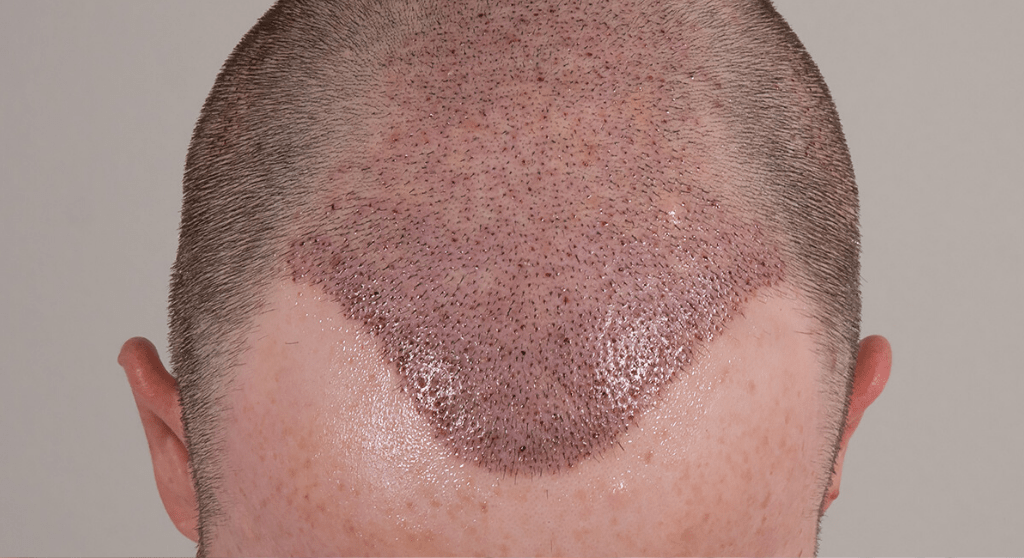
| Laser hemorrhoidoplasty | Grades 2 and 3, selected grade 4 | Shrinks the pile from inside without cutting outer skin. Usually day-care, back to desk work in a few days |
| Stapled hemorrhoidopexy | Circumferential grade 3 and 4 | Lifts the whole prolapsing ring back into position and staples it there |
| Conventional hemorrhoidectomy | Large grade 4 and complicated cases | Highest cure rate of anything available, and the longest recovery. Now a considered choice, not the default |
One caveat applies to all of them. A procedure removes the piles you have. It does not remove the habits that grew them. Go back to fifteen minutes on the toilet with your phone and a diet built on maida, and you will grow a fresh set over the next few years, and you will blame the surgeon.
Pregnancy and the months after
Piles in pregnancy are very common and the reason is mechanical rather than dietary. The growing uterus presses on the pelvic veins, progesterone slows the gut down, and pushing through the second stage of labour finishes the job. Iron supplements make it worse by constipating you at the same time.
Most of it settles on its own in the weeks after delivery. So the approach is comfort rather than intervention: fibre, water, sitz baths, lying on your side instead of sitting for long stretches, and absolutely no straining.
Isabgol is safe in pregnancy because it is not absorbed into the bloodstream. Do not take any oral laxative or apply any medicated cream without asking your obstetrician first. Some are fine, some are not, and the chemist is not the person qualified to make that call. Our gynaecology and obstetrics team sees this alongside routine antenatal care regularly enough that it is a normal conversation, not an awkward one.
If it has not resolved a couple of months after delivery, it is worth treating properly rather than waiting further.
Bleeding: how much is too much
Streaks on the tissue and a few drops in the pan are typical of piles and not, by themselves, alarming. Blood that turns the water red, blood that comes in clots, or bleeding that happens without a bowel movement at all is a different conversation and needs looking at promptly.
The slow version catches people out more often. Losing a small amount of blood at every bowel movement for months quietly drains your iron stores, and the symptoms creep up so gradually that they get blamed on work: constant tiredness, breathlessness on stairs you used to climb easily, pale skin, brittle nails, poor concentration. Anaemia from chronic piles is common and entirely preventable, and a simple blood count picks it up.
If you have been bleeding for months and feel exhausted, get the haemoglobin checked along with everything else.
The things people insist on that do not do much
| What people believe | What is actually true |
|---|---|
| Spicy food causes piles | It does not. Capsaicin stings on the way out if skin is already broken, which is where the belief comes from. The maida and the missing vegetables are the problem |
| Sitting on cold floors causes piles | No. Neither does sitting on warm ones |
| Herbal powders dissolve piles | They dissolve nothing. Several are stimulant laxatives wearing a traditional label, and long-term use leaves the colon sluggish |
| Local practitioners can burn them off cheaply | Cauterisation, thread-tying and caustic paste from unlicensed hands cause some of the worst complications a proctologist sees. Anal stenosis and damage to continence are not reversible |
How long before you notice anything
Bleeding usually settles first, often inside a week or two once the stool is genuinely soft. Swelling and the dragging sensation take longer, somewhere between three and six weeks. A pile that has been prolapsing for years will not retract on diet alone no matter how patient you are with it.
If four weeks of doing all of this properly, not half of it, has produced no clear improvement, stop repeating the experiment. That result is information. It means the piles have moved past what conservative treatment can reach, and the next step is an examination that takes a few minutes.
Two weeks of isabgol and a footstool is worth trying before you book anything. Two years of it, while the bleeding carries on and you never once let anyone look, is how people end up needing the operation they spent all that time avoiding.
Bleeding for more than two weeks?
Get it looked at once. A proctoscopy at CBLM Holy Family Hospital, Jaipur takes a few minutes, needs no preparation or fasting, and tells you your grade so you stop guessing. Laser piles treatment, banding and sclerotherapy are all available as day-care procedures.
Send a patient enquiry