Effective Solutions for Common Piles Problems: A Guide
Effective Solutions for Common Piles Problems: A Guide
Struggling with piles? Discover effective solutions to tackle common problems and reclaim your comfort. This comprehensive guide offers practical advice and support.
Understanding Piles: What They Are and Their Types
Piles, also known as hemorrhoids, are swollen veins in the lower part of the rectum and anus. These veins become inflamed and swollen due to increased pressure in the lower rectum. This condition can be quite painful and uncomfortable, affecting millions of people worldwide. Piles are classified into two main categories: internal and external, each with its unique characteristics and symptoms.
Internal piles are located inside the rectum and are generally not visible. They are typically painless, but they can cause bleeding, which may be noticed during bowel movements. In some cases, internal piles may prolapse, meaning they extend outside the anus, leading to discomfort and irritation. External piles, on the other hand, are found under the skin around the anus. These can be painful, especially when sitting or during bowel movements. They may also cause itching and swelling in the anal area.
There is also a third type known as thrombosed hemorrhoids, which occurs when a blood clot forms within an external hemorrhoid. This can lead to severe pain and swelling. Understanding the different types of piles is essential for identifying the appropriate treatment and managing the condition effectively. By recognizing the specific type of piles you have, you can take the necessary steps to address the problem and find relief.
Common Symptoms of Piles
Piles can manifest through a variety of symptoms, which can vary depending on the type and severity of the condition. Recognizing these symptoms early on can help in seeking timely treatment and preventing further complications. One of the most common symptoms of piles is rectal bleeding. This is often noticed as bright red blood on the toilet paper or in the toilet bowl after a bowel movement. While rectal bleeding can be alarming, it is usually not a cause for concern unless it is persistent or accompanied by other severe symptoms.
Another prevalent symptom of piles is pain and discomfort in the anal area. This pain can range from mild to severe and is often aggravated by sitting or during bowel movements. In the case of external piles, the pain can be more intense due to the sensitive nerve endings in the skin around the anus. Additionally, itching and irritation around the anus are common symptoms of piles, which can lead to further discomfort and difficulty in maintaining hygiene.
Swelling and lumps around the anus are also indicative of piles. These lumps can vary in size and may be sensitive to touch. In the case of prolapsed internal piles, you might feel a bulge coming out of the anus, which can be pushed back in gently. If you notice any of these symptoms, it is essential to consult a healthcare professional for an accurate diagnosis and appropriate treatment plan. Early intervention can help alleviate the symptoms and prevent the condition from worsening.
Causes and Risk Factors of Piles
Understanding the causes and risk factors of piles is crucial in preventing and managing the condition. One of the primary causes of piles is increased pressure in the lower rectum, which can result from various factors. Chronic constipation or diarrhea can lead to straining during bowel movements, putting excessive pressure on the rectal veins. This repeated straining can cause the veins to swell and form piles.
Pregnancy is another significant risk factor for developing piles. During pregnancy, the growing uterus exerts pressure on the pelvic veins, leading to increased pressure in the rectal area. Hormonal changes during pregnancy can also contribute to constipation, further increasing the risk of piles. Additionally, being overweight or obese can increase the likelihood of developing piles due to the added pressure on the pelvic and rectal veins.
Certain lifestyle factors can also contribute to the development of piles. A sedentary lifestyle, lack of physical activity, and prolonged sitting can all increase the risk of piles. Poor dietary habits, particularly a low-fiber diet, can lead to constipation and straining during bowel movements. Understanding these risk factors can help you make informed choices to reduce your risk of developing piles. By adopting a healthy lifestyle and addressing the underlying causes, you can effectively prevent and manage this condition.
Home Remedies for Piles Relief
For those seeking immediate relief from piles, several home remedies can help alleviate the symptoms and promote healing. One of the most effective home remedies for piles is taking warm sitz baths. A sitz bath involves sitting in a shallow basin of warm water for about 15 to 20 minutes, several times a day. The warm water helps reduce inflammation, soothe the affected area, and promote blood circulation, providing relief from pain and discomfort.
Another simple yet effective home remedy is applying cold compresses to the affected area. Using an ice pack wrapped in a cloth, you can apply the cold compress to the anal area for about 15 minutes. This can help reduce swelling and numb the area, providing temporary relief from pain and itching. It is essential to avoid applying ice directly to the skin, as it can cause frostbite or further irritation.
Maintaining proper hygiene is crucial in managing piles and preventing further complications. Gently cleaning the anal area with warm water and mild soap after bowel movements can help reduce irritation and prevent infection. Avoid using harsh soaps or wiping vigorously, as this can exacerbate the symptoms. Instead, use soft, unscented toilet paper or pre-moistened wipes specifically designed for sensitive skin. Incorporating these home remedies into your daily routine can help manage piles and improve your overall comfort.
Dietary Changes to Prevent Piles
Making dietary changes is one of the most effective ways to prevent piles and manage the symptoms. A high-fiber diet is essential for promoting healthy bowel movements and preventing constipation, a leading cause of piles. Incorporating fiber-rich foods such as fruits, vegetables, whole grains, and legumes into your diet can help soften the stool and reduce the need for straining during bowel movements. Aim for at least 25 to 30 grams of fiber per day to maintain regular bowel movements and prevent piles.
Staying hydrated is equally important in preventing piles. Drinking plenty of water throughout the day helps keep the stool soft and easy to pass, reducing the risk of constipation and straining. Aim to drink at least eight glasses of water daily, and consider increasing your fluid intake if you are physically active or live in a hot climate. In addition to water, consuming herbal teas and clear soups can also contribute to your daily fluid intake.
Incorporating healthy fats into your diet can also promote regular bowel movements and prevent piles. Foods rich in omega-3 fatty acids, such as fatty fish, flaxseeds, and walnuts, can help lubricate the digestive tract and facilitate the passage of stool. Additionally, probiotics, found in yogurt and fermented foods, can support a healthy gut microbiome and improve digestive health. By making these dietary changes, you can significantly reduce your risk of developing piles and improve your overall digestive health.
Over-the-Counter Treatments for Piles
For those seeking quick relief from piles, over-the-counter (OTC) treatments can be an effective option. These treatments are readily available at pharmacies and can help alleviate symptoms such as pain, itching, and swelling. One of the most common OTC treatments for piles is topical creams and ointments. These products often contain ingredients such as hydrocortisone, lidocaine, or witch hazel, which can provide relief from inflammation, pain, and itching. Applying these creams or ointments to the affected area as directed can help reduce discomfort and promote healing.
Another popular OTC treatment for piles is medicated wipes. These wipes are designed to be gentle on the skin and can help clean the anal area without causing irritation. They often contain soothing ingredients such as aloe vera and witch hazel, which can provide relief from itching and inflammation. Using these wipes after bowel movements can help maintain proper hygiene and reduce the risk of infection.
Oral pain relievers, such as acetaminophen, ibuprofen, or aspirin, can also be used to manage the pain and discomfort associated with piles. These medications can help reduce inflammation and provide temporary relief from pain. However, it is essential to follow the recommended dosage and consult with a healthcare professional before using any medication, especially if you have underlying health conditions or are taking other medications. By incorporating these OTC treatments into your routine, you can effectively manage the symptoms of piles and improve your overall comfort.
Medical Procedures for Severe Piles
In some cases, home remedies and over-the-counter treatments may not provide sufficient relief from piles, especially if the condition is severe or persistent. In such situations, medical procedures may be necessary to address the problem effectively. One of the most common medical procedures for treating piles is rubber band ligation. This minimally invasive procedure involves placing a small rubber band around the base of the hemorrhoid, cutting off its blood supply. The hemorrhoid then shrinks and falls off within a few days. Rubber band ligation is typically performed in a doctor's office and requires minimal downtime.
Another medical procedure for treating piles is sclerotherapy. This involves injecting a chemical solution into the hemorrhoid, causing it to shrink and eventually disappear. Sclerotherapy is often used for internal piles and is a relatively quick and painless procedure. It can be performed in a doctor's office and usually requires little to no recovery time.
For more severe cases of piles, surgical intervention may be necessary. Hemorrhoidectomy is a surgical procedure that involves removing the hemorrhoids. This procedure is typically reserved for large, prolapsed, or thrombosed hemorrhoids that do not respond to other treatments. While a hemorrhoidectomy can provide long-term relief, it is more invasive and requires a longer recovery period. Another surgical option is stapled hemorrhoidopexy, which involves repositioning the hemorrhoids and stapling them in place. This procedure is less painful and has a shorter recovery time compared to a traditional hemorrhoidectomy. Consulting with a healthcare professional can help determine the most appropriate treatment option based on the severity of your condition.
Lifestyle Modifications to Manage Piles
Making lifestyle modifications is essential for managing piles and preventing recurrence. One of the most important changes you can make is incorporating regular physical activity into your routine. Exercise helps promote healthy bowel movements, reduce constipation, and improve overall digestive health. Aim for at least 30 minutes of moderate exercise, such as walking, swimming, or yoga, most days of the week. Physical activity can also help maintain a healthy weight, reducing the pressure on the rectal veins and lowering the risk of piles.
Another crucial lifestyle change is establishing healthy bowel habits. Avoid straining during bowel movements, as this can exacerbate piles and lead to further complications. Take your time in the bathroom and listen to your body's natural signals. If you feel the urge to have a bowel movement, do not delay, as this can lead to harder stools and increased straining. Additionally, consider using a footstool to elevate your feet while sitting on the toilet. This position can help align the rectum and make bowel movements easier and less straining.
Maintaining proper hygiene is also essential in managing piles. Gently clean the anal area after bowel movements using warm water and mild soap. Pat the area dry with a soft towel, and avoid using harsh or scented products that can cause irritation. Wearing loose-fitting, breathable clothing can also help reduce irritation and promote healing. By making these lifestyle modifications, you can effectively manage the symptoms of piles and reduce the risk of recurrence.
When to See a Doctor: Recognizing Serious Symptoms
While many cases of piles can be managed with home remedies and over-the-counter treatments, it is essential to recognize when to seek medical attention. Persistent or severe symptoms may indicate a more serious condition that requires professional evaluation and treatment. One of the key signs that it is time to see a doctor is if you experience heavy or persistent rectal bleeding. While occasional bleeding is common with piles, continuous or heavy bleeding can be a sign of a more serious condition, such as colorectal cancer or anal fissures.
Severe pain that does not respond to home remedies or over-the-counter treatments is another indication that you should seek medical attention. While piles can be painful, unbearable or persistent pain may suggest complications such as thrombosed hemorrhoids, which require prompt medical intervention. Additionally, if you notice significant changes in your bowel habits, such as persistent constipation, diarrhea, or changes in stool color and consistency, it is essential to consult a healthcare professional.
Other symptoms that warrant a doctor's visit include unexplained weight loss, weakness, or fatigue. These symptoms can be indicative of underlying health issues that need to be addressed. Early diagnosis and treatment can help prevent complications and improve your overall health. If you are unsure whether your symptoms require medical attention, it is always best to err on the side of caution and consult with a healthcare professional for an accurate diagnosis and appropriate treatment plan.
Conclusion: Embracing a Healthier Lifestyle to Avoid Piles
In conclusion, piles, while common and often manageable, can significantly impact your quality of life. Understanding the different types of piles, recognizing the symptoms, and being aware of the causes and risk factors are crucial steps in preventing and managing this condition. By incorporating home remedies, making dietary changes, using over-the-counter treatments, and considering medical procedures when necessary, you can effectively address the symptoms and find relief.
Adopting a healthier lifestyle plays a vital role in preventing piles and managing the symptoms. Regular physical activity, establishing healthy bowel habits, maintaining proper hygiene, and staying hydrated are all essential components of a holistic approach to managing piles. By making these lifestyle modifications, you can reduce the risk of developing piles and improve your overall digestive health.
It is also essential to recognize when to seek medical attention for persistent or severe symptoms. Early diagnosis and treatment can help prevent complications and improve your overall well-being. By embracing a healthier lifestyle and being proactive in managing your health, you can effectively prevent and manage piles, reclaim your comfort, and enhance your quality of life.
Latest Blogs

Top 10 Helpful Tips To Treat Piles
17 February
What is Dengue? Symptoms, Causes and Treatment.
17 February
Top 10 Ways To Cleanse Your Body Thoroughly
17 February
Top 10 Ways To Keep Your Kidney Healthy
17 February


Gain complete insight of Piles and Its Cure
17 February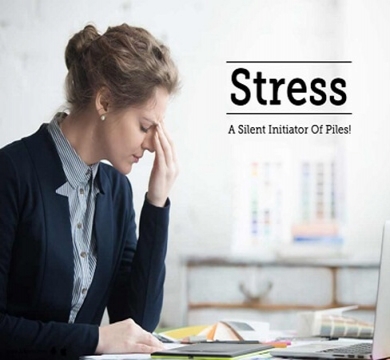
Stress, A Silent Initiator Of Piles Problems!
17 February



How to Find the Best Gynaecologist in Jaipur
17 February