Hair Treatment Side Effects: What to Expect at Every Stage
Hair Treatment Side Effects: What to Expect at Every Stage
Hair Treatment Side Effects
Hair loss treatments have come a long way in the last decade. Whether someone chooses a surgical hair transplant, a non-surgical option like PRP therapy, or daily medications such as minoxidil and finasteride, each approach comes with its own set of benefits and potential drawbacks. Most people considering these treatments focus heavily on the results they hope to achieve, but understanding the possible side effects is just as important for making an informed decision.
This guide breaks down the side effects associated with the most popular hair restoration treatments available today, who is more likely to experience them, and what steps can be taken to reduce risk. The goal is to help you go into any hair treatment with realistic expectations and the knowledge needed to spot problems early.
Common Hair Treatment Side Effects
While every hair treatment has its own specific risks, there are several side effects that tend to show up across multiple types of treatments, especially in the early days or weeks after starting.
Scalp irritation and redness is probably the most frequently reported issue. This can happen with topical treatments, after injections, or following a surgical procedure. It's usually mild and temporary, but it can be uncomfortable.
Itching often accompanies irritation, particularly as the scalp heals or adjusts to a new product or procedure. In most cases, this resolves on its own within a few days to a couple of weeks.
Temporary shedding catches a lot of people off guard. With treatments like minoxidil, and sometimes after procedures like PRP or hair transplants, hair can actually shed more than usual before new growth kicks in. This is often a sign that hair follicles are being pushed into a new growth cycle, but it can be alarming if you're not expecting it.
Dryness or flaking of the scalp is another common complaint, especially with topical solutions that contain alcohol-based ingredients.
Headaches have been reported with several treatments, including oral medications and sometimes after PRP sessions, possibly related to changes in scalp blood flow or the stress of a new treatment routine.
Mild swelling or tenderness at treatment sites is typical after injections or minor procedures and usually fades within a few days.
Allergic reactions, while less common, can occur with almost any topical or injectable treatment. Signs include unusual redness, hives, swelling beyond the treatment area, or breathing difficulty in rare severe cases.
Most of these general side effects are mild and temporary. They tend to resolve as your body adjusts to the treatment. However, persistent or worsening symptoms should always be discussed with a healthcare provider rather than ignored.
Hair Transplant Side Effects
Hair transplant surgery, whether done through Follicular Unit Transplantation (FUT) or Follicular Unit Extraction (FUE), is a surgical procedure, and like any surgery, it carries certain risks alongside its potential benefits.
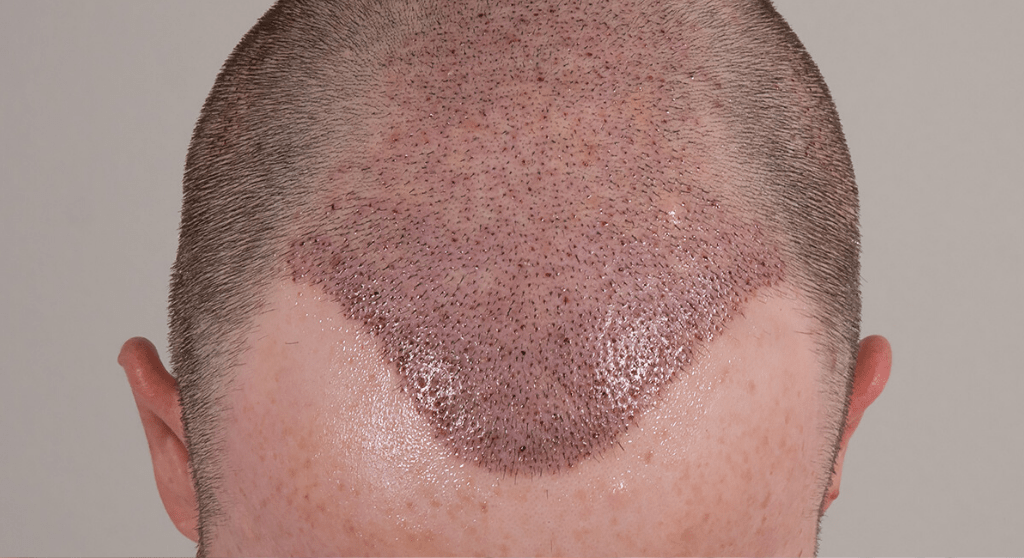
Swelling is extremely common in the days following a transplant, particularly around the forehead and eyes. This typically peaks around the third day and subsides within a week to ten days.
Bruising can occur around the donor and recipient areas, especially around the eyes if swelling migrates downward. This is more of a cosmetic concern than a medical one and fades with time.
Pain and discomfort at both the donor site (where hair is extracted) and the recipient site (where it's transplanted) are normal in the first few days. Most clinics provide pain management guidance, and discomfort is usually manageable with over-the-counter relief as recommended by your surgeon.
Itching during the healing phase is very common as scabs form and the scalp regenerates. Scratching should be avoided since it can dislodge newly placed grafts.
Numbness in the treated areas can last for weeks or occasionally months as nerve endings recover from the procedure. This usually resolves on its own.
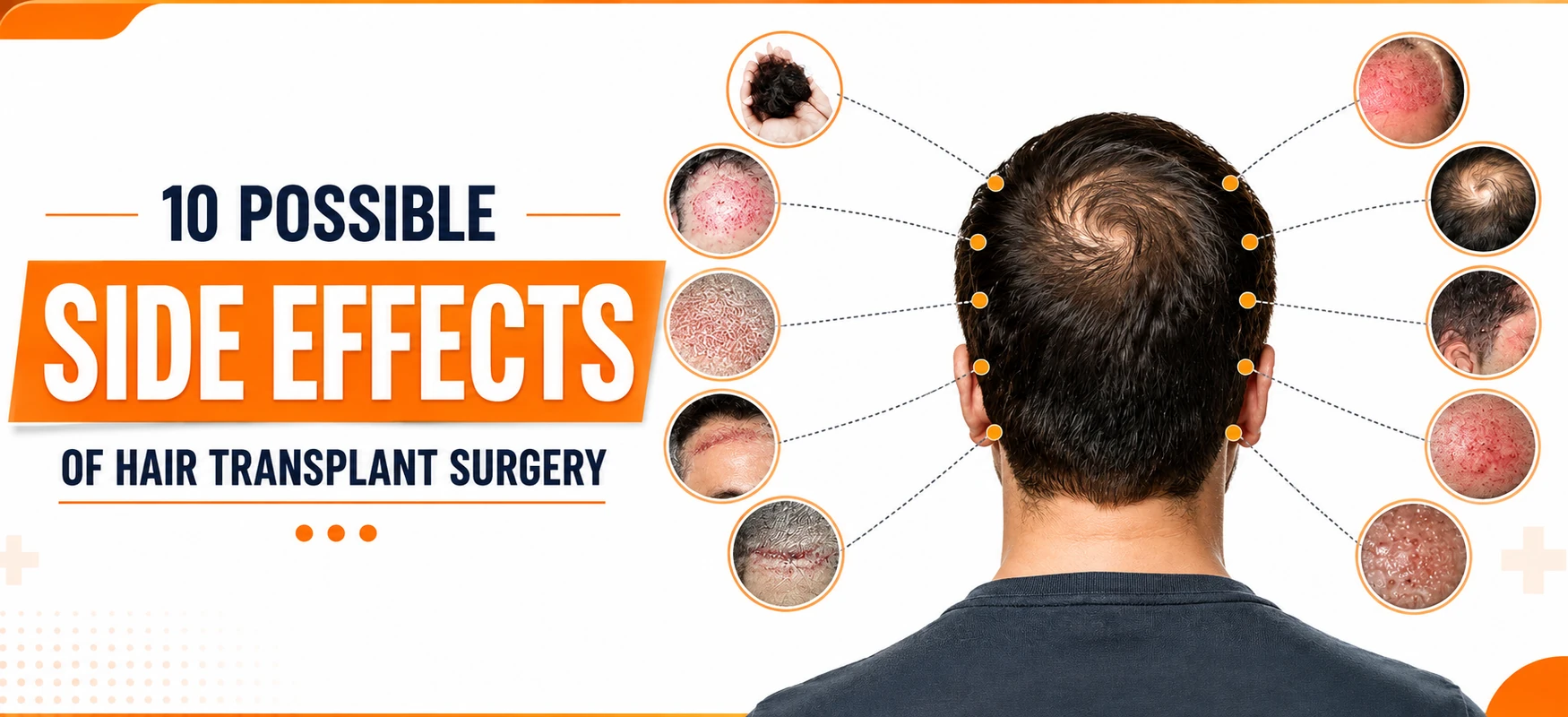
Shock loss is one of the more concerning side effects for patients, even though it's usually temporary. This refers to the shedding of existing hair (often in the recipient area, sometimes in the donor area) due to the trauma of surgery. It can be distressing to see hair fall out after going through a transplant, but in most cases, the hair follicles aren't permanently damaged and regrowth occurs within a few months.
Folliculitis, an inflammation or infection of the hair follicles, can develop as new grafts settle in. It often looks like small red bumps or pimples and is generally treatable with topical antibiotics or anti-inflammatory treatment if caught early.
Scarring is more associated with the FUT method, which involves removing a strip of scalp and leaving a linear scar at the donor site. FUE leaves smaller, less noticeable dot-like scars since individual follicles are extracted, but scarring can still occur, especially if the skin doesn't heal well or if too many grafts are taken from a small area.
Infection, while uncommon with proper post-operative care, is a possible risk with any surgical procedure. Signs include increasing redness, warmth, pus, or fever, and should be addressed promptly.
Unnatural-looking results can happen if the procedure isn't planned carefully, particularly regarding hairline design, graft angle, and density distribution. This is more of a risk with inexperienced surgeons or poorly equipped clinics rather than the procedure itself.
Cobblestoning, a side effect where the scalp surface becomes bumpy or uneven, can occur if grafts are placed too high above the skin's surface. This is largely avoidable with skilled technique.
Most of these side effects are temporary and resolve within weeks to a few months as the scalp heals and new hair growth establishes itself. Choosing an experienced, board-certified surgeon significantly reduces the likelihood of more serious complications like infection or poor cosmetic outcomes.
PRP Side Effects
Platelet-Rich Plasma (PRP) therapy involves drawing a small amount of your own blood, processing it to concentrate the platelets, and injecting that solution into the scalp to stimulate hair follicles. Because it uses your own blood, PRP is generally considered to have a favorable safety profile, but it's not without potential side effects.
Pain at the injection site is one of the most common complaints. Since the treatment involves multiple injections across the scalp, some discomfort during and after the session is expected. Numbing cream or local anesthesia is often used to minimize this.
Scalp tenderness can persist for a day or two following treatment, similar to how a sore muscle might feel after exercise.
Swelling around the injection sites is common but usually mild and temporary, typically resolving within 24 to 48 hours.
Bruising can occur, particularly in areas where the needle hits a small blood vessel. This is generally harmless and fades within a week or so.
Headache following PRP sessions has been reported by some patients, possibly related to the injections themselves or changes in scalp circulation.
Itching as the scalp heals is also fairly typical and usually subsides on its own.
Infection risk, although low, exists with any procedure that involves breaking the skin. Reputable clinics follow strict sterilization protocols to minimize this risk, but signs of infection (increasing redness, warmth, or discharge) should be reported to your provider right away.
Allergic reactions are rare with PRP since it uses your own blood plasma, reducing the likelihood of the body rejecting the substance. However, reactions to the anticoagulants or other substances used in the preparation process are possible, though uncommon.
Temporary worsening of shedding has been reported by some patients shortly after treatment, which can be unsettling, but this is generally short-lived as the hair growth cycle adjusts.
Lack of consistent results isn't a side effect in the traditional sense, but it's worth mentioning that PRP doesn't work the same way for everyone, and some patients see minimal improvement despite undergoing the treatment as recommended.
Overall, PRP is regarded as one of the lower-risk options among hair restoration treatments, largely because it avoids introducing foreign substances into the body. Most side effects are mild, localized, and resolve within a few days.
Minoxidil Side Effects
Minoxidil, available both as a topical solution/foam and, less commonly, as an oral medication, is one of the most widely used treatments for hair loss. It's available over the counter in topical form in many countries, which makes it accessible, but that accessibility doesn't mean it's free of side effects.
Scalp irritation is the most frequently reported issue, particularly with formulations containing propylene glycol, which can dry out or irritate sensitive skin.
Itching and flaking often go hand in hand with irritation, especially in the first few weeks of use as the scalp adjusts to the product.
Dryness of the scalp is common, and some users find that switching from a liquid formulation to a foam version helps reduce this issue since foam typically contains less propylene glycol.
Initial increased shedding, sometimes called the "shedding phase," is one of the most misunderstood side effects. When you start minoxidil, it can push resting hair follicles into a new growth phase, causing temporarily more hair to fall out before thicker, healthier hair grows in. This usually happens within the first few weeks to two months of starting treatment and typically resolves within a couple of months.
Unwanted facial or body hair growth (hypertrichosis) can occur, especially with higher concentrations or if the product accidentally spreads to areas like the forehead, temples, or face. This is more commonly reported in women using minoxidil.
Changes in hair texture or color have been reported anecdotally by some users, though this isn't fully understood and doesn't affect everyone.
For those using oral minoxidil (sometimes prescribed off-label for hair loss), side effects can be more systemic since the medication is absorbed throughout the body rather than applied locally. These include:
Dizziness or lightheadedness, particularly when standing up quickly, since minoxidil can lower blood pressure.
Rapid or irregular heartbeat, which is a more serious concern and should be reported to a doctor immediately if experienced.
Swelling in the hands, feet, or face, which can indicate fluid retention and should also be evaluated by a healthcare provider.
Unwanted hair growth on the body, which tends to be more pronounced with oral use compared to topical application.
Because oral minoxidil affects the cardiovascular system, it requires medical supervision and isn't something that should be started without consulting a doctor, particularly for individuals with existing heart conditions or low blood pressure.
Topical minoxidil's side effects are generally limited to the scalp and surrounding skin, making it a relatively low-risk option for most healthy adults, though discontinuing use typically results in the gradual loss of any gained hair over several months.
Finasteride Side Effects
Finasteride is an oral medication that works by blocking the conversion of testosterone into dihydrotestosterone (DHT), a hormone linked to hair follicle shrinkage in male pattern baldness. Because it works on a hormonal level, its side effect profile tends to be more significant than topical treatments, and it's only approved for use in men.
Decreased libido is one of the most commonly reported side effects, affecting a noticeable percentage of users, particularly in the first few months of treatment.
Erectile dysfunction has also been reported, ranging from mild to more pronounced difficulty, though studies suggest this affects a relatively small percentage of users and often improves over time or after stopping the medication.
Decreased semen volume during ejaculation is another reported effect, which can be a concern for men trying to conceive, though it's generally reversible upon discontinuation.
Ejaculation disorders, including changes in sensation or timing, have been noted by some users as well.
Gynecomastia, or the development of breast tissue, is a less common but recognized side effect related to finasteride's hormonal effects. This can be uncomfortable both physically and psychologically and should be evaluated by a doctor if it occurs.
Mood changes, including reports of depression, anxiety, and in rarer cases, suicidal thoughts, have been associated with finasteride use by some patients. This has led to ongoing research and discussion in the medical community, and some regulatory agencies have updated warning labels to reflect these potential psychological effects.
Post-Finasteride Syndrome (PFS) is a controversial and not yet fully understood condition some men report experiencing even after stopping the medication, involving persistent sexual, physical, and psychological symptoms. While the existence and exact cause of PFS remain debated within the medical community, it has prompted increased caution and the suggestion that patients should be fully informed before starting treatment.
Breast tenderness or lumps can also occur and should always be evaluated promptly, as these symptoms can occasionally indicate other underlying issues that need medical attention.
Skin rash or itching, while less common, is possible as an allergic-type reaction to the medication.
Because of its hormonal mechanism, finasteride isn't suitable for everyone. It's not approved for use in women, particularly those who are pregnant or may become pregnant, since exposure to the medication (even through handling broken or crushed tablets) can cause serious birth defects in a male fetus.
Anyone considering finasteride should have a detailed conversation with their doctor about both the potential benefits for hair regrowth and the full range of possible side effects, given the more systemic nature of this medication compared to topical alternatives.
Who Is At Higher Risk?
While side effects can technically happen to anyone, certain groups face a higher likelihood of experiencing complications or more pronounced reactions to hair treatments.
People with sensitive skin or a history of dermatological conditions such as eczema, psoriasis, or contact dermatitis are more prone to irritation, redness, and allergic reactions from topical treatments and post-surgical healing.
Individuals with bleeding disorders or those on blood-thinning medications face elevated risks during surgical procedures like hair transplants, as well as increased bruising or bleeding with injectable treatments like PRP.
People with cardiovascular conditions, including high or low blood pressure, arrhythmias, or heart disease, are at higher risk when using oral minoxidil due to its systemic cardiovascular effects.
Men with a personal or family history of depression, anxiety, or other mental health conditions may want extra caution and close monitoring when considering finasteride, given the reported associations with mood-related side effects.
Women of childbearing age should avoid finasteride entirely due to the risk of birth defects, and should also exercise caution with oral minoxidil unless specifically cleared by a doctor.
Smokers tend to have slower wound healing, which can increase the risk of complications like infection or poor graft survival after a hair transplant.
People with diabetes may also experience slower healing after surgical procedures and could be at higher risk for infections.
Those with unrealistic expectations or underlying body image concerns aren't at higher risk for physical side effects necessarily, but may experience greater psychological distress if results don't meet expectations, which is worth considering before undergoing more invasive or expensive treatments.
Older adults undergoing hair transplant surgery may have a longer recovery period and could be more susceptible to certain surgical risks, simply due to generally slower tissue healing associated with aging.
If you fall into any of these higher-risk categories, it doesn't necessarily mean a hair treatment is off the table, but it does mean having an open, detailed conversation with a qualified healthcare provider before starting any treatment is especially important.
When Should You Visit a Doctor?
Most side effects associated with hair treatments are mild and temporary, but there are certain signs and symptoms that warrant medical attention rather than waiting things out.
Signs of infection at a surgical or injection site, including increasing redness, warmth, swelling, pus or discharge, or fever, should prompt a call to your doctor or clinic right away.
Severe or worsening pain that doesn't improve with recommended pain management, or pain that seems disproportionate to the procedure, is worth getting checked out.
Allergic reactions, particularly those involving widespread hives, swelling of the face, lips, or throat, or difficulty breathing, require immediate medical attention, as these can indicate a more serious allergic response.
Persistent or excessive bleeding following a hair transplant or PRP session that doesn't stop with normal pressure and time should be evaluated promptly.
Chest pain, irregular heartbeat, or significant dizziness while using oral minoxidil are signs that warrant immediate medical evaluation, as these could indicate a serious cardiovascular reaction.
New or worsening mood changes, including symptoms of depression, anxiety, or any thoughts of self-harm while taking finasteride, should be discussed with a doctor as soon as possible. These symptoms should never be dismissed or ignored.
Lumps, persistent breast tenderness, or visible breast tissue changes while on finasteride should be evaluated, as this could indicate gynecomastia or, in rare cases, something else that needs medical investigation.
Hair loss that continues or worsens significantly despite consistent treatment use over several months may indicate that the chosen treatment isn't working for your specific type of hair loss, and it's worth revisiting your treatment plan with a doctor or dermatologist.
Unusual or unexpected symptoms that don't fit the typical side effect profile of your treatment, even if they seem minor, are always worth mentioning to a healthcare provider, since they're in the best position to determine whether something requires further investigation.
Generally speaking, if a side effect feels severe, doesn't improve within the expected timeframe, or is causing significant distress, it's better to err on the side of caution and seek professional advice rather than waiting to see if it resolves on its own.
How to Prevent Side Effects
While not every side effect can be completely avoided, there are several practical steps that can significantly reduce your risk across most hair treatments.
Choose a qualified, experienced provider. This is especially critical for surgical procedures like hair transplants, where the skill and experience of the surgeon directly impacts both the cosmetic outcome and the likelihood of complications like scarring, infection, or unnatural-looking results.
Disclose your full medical history. Be upfront with your doctor about any existing health conditions, medications you're taking, allergies, and family medical history. This helps your provider identify potential risk factors before starting treatment.
Follow pre- and post-treatment instructions carefully. Whether it's avoiding blood thinners before a hair transplant, not washing your scalp too soon after a procedure, or applying topical treatments exactly as directed, following instructions reduces the risk of complications significantly.
Start with patch testing when appropriate. For topical treatments like minoxidil, applying a small amount to a limited area first can help identify potential allergic reactions before committing to regular full-scalp use.
Don't skip follow-up appointments. Regular check-ins with your provider, especially after surgical procedures, allow for early detection of any developing issues before they become more serious.
Be patient and avoid overuse. Using more product than recommended or applying treatments more frequently than directed doesn't speed up results and often increases the risk of side effects like irritation or unwanted hair growth.
Maintain good scalp hygiene. Keeping the scalp clean (following your provider's specific guidance on timing) helps reduce the risk of infection, particularly after procedures that involve breaking the skin.
Avoid smoking and limit alcohol around the time of surgical procedures, as both can impair healing and increase the risk of complications.
Monitor your mental health, particularly if taking finasteride, and don't hesitate to discuss any mood changes with your doctor, even if they seem minor or unrelated to the treatment at first glance.
Stay realistic about expectations. Understanding that hair growth takes time, that not every treatment works the same for every person, and that some shedding or adjustment periods are normal, can help reduce anxiety and the temptation to overuse products or seek unnecessary additional interventions.
Keep an open line of communication with your provider. If something feels off, don't wait for your next scheduled appointment. A quick phone call or message can help address concerns early and prevent minor issues from becoming bigger problems.
Hair Care & Recovery
Frequently Asked Questions
Answers to common questions about hair transplant recovery and the side effects of chemical hair treatments.
-
Most side effects associated with hair treatments are temporary and resolve within days to a few months. However, some effects, like certain sexual side effects from finasteride or scarring from hair transplant surgery, can persist longer or, in rare cases, become permanent for some individuals.
-
Yes, this is a well-documented phenomenon often called the "shedding phase." It typically occurs within the first few weeks to two months of starting treatment and is generally a sign that the hair growth cycle is being reset, with thicker hair often growing in afterward.
-
Finasteride is not approved for use in women, particularly those who are pregnant or could become pregnant, due to the risk of serious birth defects. Women experiencing hair loss should discuss alternative treatment options with their doctor.
-
Most common side effects, like swelling, bruising, and discomfort, resolve within one to two weeks. Numbness can take several weeks to a few months to fully subside, and any shock loss typically regrows within three to six months.
-
PRP does carry a relatively favorable safety profile because it uses autologous (your own) blood, reducing the risk of allergic reactions or rejection. However, it still carries risks like pain, bruising, swelling, and a small risk of infection at injection sites, similar to other injection-based treatments.
-
Many people do combine treatments, often under medical guidance, and some combinations, such as following a transplant with minoxidil or PRP, are considered standard practice for optimizing results. However, combining treatments can also increase the overall risk of side effects, so it's worth discussing any combination approach with a healthcare provider.
-
Discontinue use of the product immediately and contact your doctor. If you experience severe symptoms like difficulty breathing, swelling of the face or throat, or widespread hives, seek emergency medical attention right away.
-
For most topical treatments like minoxidil, side effects typically resolve once you stop using the product. For finasteride, most side effects also improve after discontinuation, though some men report lingering symptoms, part of the ongoing discussion around Post-Finasteride Syndrome.
-
Not necessarily. Even natural remedies or essential oils can cause allergic reactions, scalp irritation, or other side effects in some individuals, so it's still worth doing a patch test and paying attention to how your scalp responds.
-
Mild irritation, itching, or temporary shedding usually doesn't require stopping treatment. However, severe pain, signs of infection, allergic reactions, significant mood changes, or any symptom that feels alarming or doesn't improve over time should prompt you to pause treatment and consult your doctor promptly.
Latest Blogs









Top 10 Helpful Tips To Treat Piles
17 February
What is Dengue? Symptoms, Causes and Treatment.
17 February
Top 10 Ways To Cleanse Your Body Thoroughly
17 February
Top 10 Ways To Keep Your Kidney Healthy
17 February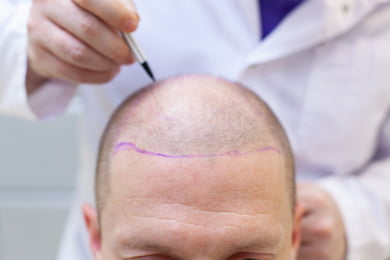


Gain complete insight of Piles and Its Cure
17 February
Stress, A Silent Initiator Of Piles Problems!
17 February





How to Find the Best Gynaecologist in Jaipur
17 February