Pain on the Right Side of Abdomen: Causes, Symptoms and Warning Signs

Pain on the Right Side of Abdomen: Causes, Symptoms and Warning Signs
Medically reviewed by Dr. Pankaj Agarwal, General Surgeon, CBLM Holy Family Hospital, Jaipur
Pain on the right side of the abdomen can come from the gallbladder, appendix, kidney, bowel, abdominal muscles or reproductive organs. Upper-right pain commonly involves the gallbladder or liver, while lower-right pain may involve the appendix, bowel, urinary tract or ovary.
Location offers useful clues, but the symptoms and a medical examination are needed to identify the cause. This guide covers what each region of the right side can point to, which symptoms mean you should stop reading and get to a hospital, and what a proper assessment involves.
On this page
When Is Right-Side Abdominal Pain an Emergency?
Most right-sided abdominal pain is not dangerous. A small share of it is, and the difference is decided by the symptoms sitting alongside the pain, not by the pain alone.
Get emergency help now
Go to the nearest emergency department if the pain occurs with any of the following:
- sudden, severe or rapidly worsening pain;
- a swollen, rigid or extremely tender abdomen;
- collapse, fainting, confusion, breathing difficulty, chest pain, marked weakness or pale, clammy skin;
- blood in vomit, black stools or significant blood in the stool;
- repeated vomiting with an inability to keep fluids down;
- abdominal swelling with vomiting and an inability to pass stool or gas;
- fever or shaking chills with severe abdominal or flank pain, or little or no urine;
- yellow eyes or skin with fever, chills or severe upper-abdominal pain;
- possible pregnancy with sudden severe one-sided pain, shoulder-tip pain, dizziness or fainting;
- a groin or abdominal bulge that becomes hard, discoloured, very painful or does not disappear when lying down; or
- pain after a fall, road accident or significant blow to the abdomen or ribs.
Call 112 for emergency assistance anywhere in India, or 108 for an ambulance in Rajasthan. If the person feels faint, confused or seriously unwell, do not ask them to drive themselves.
In Jaipur: CBLM Holy Family Hospital 24/7 emergency line — +91 96109 58590
Arrange Urgent, Same-Day Assessment
Seek medical advice the same day for:
- possible pregnancy with one-sided pain or vaginal bleeding, even without a positive home pregnancy test;
- pain that is worsening, does not go away or moves towards the lower-right abdomen;
- yellow eyes or skin, dark urine or unusually pale stools; or
- pain with fever, urinary symptoms or recurrent vomiting.
Where Exactly Is the Pain?
Doctors describe abdominal pain by region, because the organs sitting in each one barely move. The list below shows possible sources, not a way to diagnose the problem at home.
| Where It Hurts | Possible Sources |
|---|---|
| Under the right ribs | Gallbladder, bile ducts, liver, upper right kidney, bowel, lower right lung, ribs, abdominal muscles |
| Lower right, near the hip or groin | Appendix, small or large bowel, right ureter, hernia, ovary, fallopian tube |
| Right flank or back | Kidney, ureter, muscles, ribs, shingles |
Pain also travels. A gallbladder problem may be felt in the back or shoulder, while a kidney stone may move from the flank towards the groin. Pregnancy, previous surgery and natural differences in anatomy can all change where pain is felt, which is why location narrows the list without ever settling it.
Causes of Pain Under the Right Ribs
Gallstones and Gallbladder Inflammation
Gallbladder pain is usually felt under the right ribs or in the upper middle abdomen. It may build after a meal, remain steady for a time and spread to the back or right shoulder blade. Nausea or vomiting can occur.
Symptoms alone cannot show whether the problem is a temporary blockage, gallbladder inflammation or something else. Pain that does not settle, particularly with fever, repeated vomiting or increasing tenderness, needs prompt assessment. Yellow eyes or skin, dark urine or pale stools may point to a blocked bile duct and should be assessed urgently. Where stones are confirmed, treatment is usually gallbladder stone surgery.
Liver and Bile-Duct Conditions
Inflammation, infection or swelling of the liver can cause an ache or sense of heaviness beneath the right ribs, often alongside tiredness, poor appetite, nausea, fever or jaundice. Many liver conditions cause little or no pain at first, so pain intensity is not a reliable measure of seriousness.
Amoebic liver abscess is another condition clinicians may consider in India. It can cause persistent upper-right pain and fever, sometimes with discomfort near the right shoulder. Those symptoms overlap with several other illnesses, so diagnosis requires medical assessment and usually blood tests and imaging.
Lung, Rib and Muscle Pain
The bottom of the right lung sits just above the diaphragm. Pneumonia or inflammation around the lung can occasionally be felt as upper abdominal pain, especially when there is cough, fever or pain on taking a deep breath.
A bruised rib or strained abdominal muscle may hurt more with twisting, lifting or coughing. Even when the pain seems muscular, seek care if it is severe, follows an injury, or occurs with breathlessness, fever or other warning signs.
Causes of Lower-Right Abdominal Pain
Appendicitis
Appendicitis often begins with discomfort near the centre of the abdomen and later becomes more noticeable on the lower right. The pain commonly worsens over several hours and may come with loss of appetite, nausea, vomiting or fever. Walking, coughing or movement can make it more uncomfortable.
That familiar pattern is not present in everyone. Children, older adults and pregnant people may have milder pain, slower changes or pain in a different place. Do not rely on pressing the abdomen or checking a particular point yourself. Pain that is worsening, persistent or moving towards the lower right needs urgent medical assessment.
There is no safe number of hours to wait for suspected appendicitis, and a brief improvement does not prove the problem has passed. When appendicitis is confirmed, appendix surgery is usually carried out without delay.
Bowel-Related Causes
Gas and constipation can cause cramping, pressure or a sense of fullness on the right. Gastroenteritis may bring abdominal cramps, loose stools and vomiting. Irritable bowel syndrome can also cause recurring pain with changes in bowel habits.
These common problems can resemble more urgent conditions. Arrange an examination if pain is localised or worsening, keeps returning, wakes you from sleep, or occurs with fever, vomiting, bleeding, abdominal swelling or unexplained weight loss.
In India, clinicians may also consider abdominal tuberculosis when ongoing abdominal symptoms occur with fever, loss of appetite, weight loss, chronic diarrhoea, swelling or signs of bowel obstruction. Symptoms alone cannot confirm TB; proper testing is essential.
Hernia
A hernia may appear as a soft swelling in the groin or abdominal wall, often becoming more visible when standing, coughing or straining. A bulge that suddenly becomes painful, firm or stuck, particularly with vomiting or abdominal swelling, can mean bowel is trapped. That is an emergency. Do not repeatedly press or force a painful bulge back in. Stable hernias are assessed and repaired through planned hernia treatment.
Kidney and Urinary Causes
A stone in the right ureter can cause intense pain beginning in the side or back and travelling towards the lower abdomen or groin, rising and falling in waves. Nausea, vomiting, urinary urgency or blood in the urine can occur. Larger or obstructing stones may need kidney stone surgery.
People with renal colic are often restless, but behaviour alone cannot identify a kidney stone. Similar symptoms arise from several other conditions.
Fever or chills with suspected stone pain requires immediate care, because infection behind a urinary blockage can become dangerous quickly. Seek prompt help as well if urine output falls, pain remains uncontrolled, the person has one functioning kidney, or pregnancy is possible.
A kidney infection may cause flank or back pain with fever, chills, nausea and urinary symptoms such as burning or frequent urination. Seek same-day medical care. Emergency assessment is needed if the person is pregnant, confused, repeatedly vomiting, unable to keep fluids down or becoming seriously unwell.
Right-Sided Abdominal Pain in Women
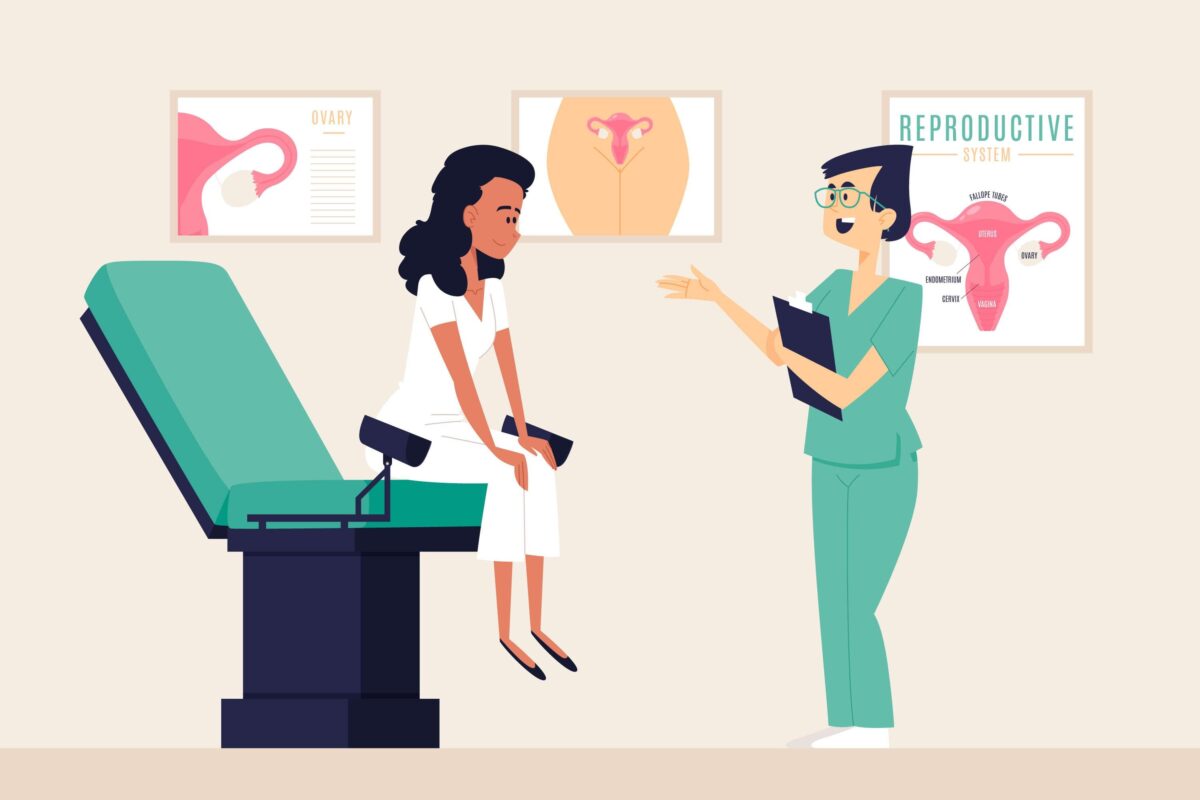
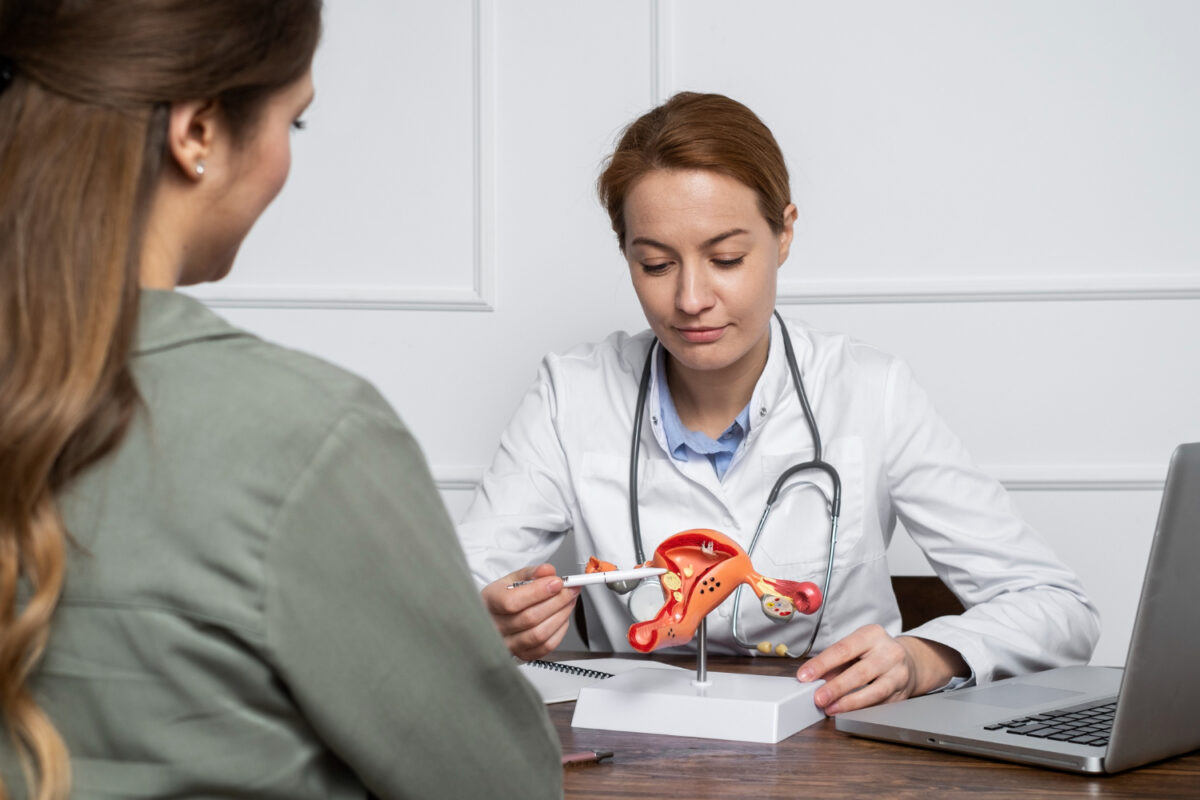
Pain in the lower right abdomen may come from the ovary or fallopian tube, but bowel and urinary causes remain possible too. If pregnancy is possible, take a pregnancy test and tell the clinician, even when contraception was used. Do not wait for a positive home test before seeking care when one-sided pain occurs with bleeding or other concerning symptoms.
Ectopic Pregnancy
An ectopic pregnancy develops outside the uterus, most often in a fallopian tube. Possible symptoms include one-sided lower abdominal or pelvic pain and bleeding that differs from a usual period. Sudden severe pain, shoulder-tip pain, weakness, dizziness or fainting may indicate internal bleeding and requires emergency care, which may involve laparoscopic surgery for ectopic pregnancy.
Ovarian Torsion
Ovarian torsion happens when an ovary twists and its blood supply is threatened. It often causes sudden one-sided pain with nausea or vomiting, though the pain may be intermittent. It is a surgical emergency and cannot be confirmed or excluded through a home test.
Ovulation Pain, Cysts and Endometriosis
Ovulation can cause one-sided discomfort around the middle of a menstrual cycle. Ovarian cysts may cause pressure, aching or sudden pain if they bleed or rupture, and persistent or large cysts are sometimes treated with ovarian cystectomy surgery. Endometriosis may cause pain that repeatedly worsens around menstruation, sometimes with painful sex or difficulty conceiving.
Cycle timing can provide a clue, but it should never be used to dismiss severe, new or persistent pain. Urgent conditions must be excluded first.
Other Conditions That Can Feel Like Abdominal Pain
Some causes begin outside the abdominal organs entirely:
- Shingles may cause burning or sensitive skin on one side before a rash appears.
- Abdominal-wall pain can follow lifting, exercise, coughing or a minor injury.
- Nerve irritation may create a small, sharply tender area in the abdominal wall.
Because symptoms overlap, a single clue, whether that is where the pain sits, how it changes with movement or how someone behaves, should not be treated as proof of a diagnosis.
What Happens During a Medical Assessment
The clinician will usually ask where the pain began, whether it moved, how it has changed, and whether there is fever, vomiting, bowel trouble, urinary symptoms, bleeding or a chance of pregnancy. They will check vital signs and examine the abdomen gently.
Depending on the findings, tests may include:
- blood tests for infection, anaemia, liver function or kidney function;
- a urine test for infection or blood;
- a pregnancy test when pregnancy is possible; and
- imaging such as ultrasound, CT or MRI.
The choice and order of scans depend on the person's age, pregnancy status, examination and the condition being considered. Sometimes observation and repeat examination are useful, because abdominal symptoms evolve. No single test identifies every cause of right-sided pain. Where surgery is needed, many of these conditions can be treated through laparoscopic surgery.
What to Do While Arranging Care
Before you leave for the hospital
- Note when the pain began, where it began and whether it moved or changed.
- Write down associated symptoms: fever, vomiting, bowel or urinary changes, bleeding, and the date of the last menstrual period where relevant.
- Take a list of medicines, allergies and previous reports with you.
- Avoid repeatedly pressing the painful area or using online self-examination tests.
- Do not force a painful hernia bulge back in, and do not take leftover antibiotics.
- Follow the emergency team's instructions about food, drink and regular medicines.
Pain relief does not prevent doctors from assessing abdominal pain. The safest choice depends on pregnancy, allergies, ulcers, kidney or liver disease, blood-thinning medicines and other factors. If unsure, ask a doctor or pharmacist and follow the labelled dose. Do not delay urgent care simply to complete a period of fasting.
When Symptoms May Be Less Typical
Young children, older adults, pregnant people, those with long-standing diabetes-related nerve damage, and people with a weakened immune system may not develop the expected fever or pain pattern. A change in behaviour, unusual drowsiness, poor feeding, confusion or a general sense that the person is becoming more unwell can matter even when the pain sounds mild.
For these groups, seek medical advice earlier rather than waiting for a textbook pattern. Judge severity by how the person looks and behaves, not by how loudly they complain.
Frequently Asked Questions -
Which side is appendix pain on?
The lower right, near the hip bone. It often starts as vague discomfort near the navel and moves down and right over several hours. This pattern is not present in everyone, and children, older adults and pregnant women may feel it elsewhere or more mildly. Pain that keeps worsening or shifts towards the lower right needs urgent assessment, not waiting at home.
Can gas cause pain on the right side?
Yes, and it can be strong enough to frighten people. Gas trapped at a bend in the bowel can imitate gallbladder or appendix pain closely. No home test reliably separates simple gas from a serious cause. Get it checked if the pain stays in one spot, keeps getting worse, or comes with fever, vomiting or a hard, tender abdomen.
Can appendicitis pain come and go?
It can, especially in the first few hours, which is what makes it dangerous. Most appendicitis pain becomes steadily worse, but a short period of relief does not mean the problem has passed and can sometimes follow a perforation. Recurring right-side pain also has many other causes. Judge it by the overall direction of the symptoms, and seek assessment if things are moving the wrong way.
How do I know if it is a kidney stone?
You cannot know for certain without tests. Stone pain, or pathri, usually begins in the side or back and travels towards the lower abdomen or groin in waves, sometimes with nausea, burning urine or blood in the urine. Similar pain comes from several other conditions. Fever or chills with this pain is an emergency, because infection behind a blocked kidney worsens very quickly.
Is pain under the right ribs always a gallbladder problem?
No. Gallstones are a common cause, particularly when the pain builds after a heavy or oily meal and spreads to the back or right shoulder blade. The liver, right kidney, bowel, lower right lung, ribs and abdominal muscles all sit in the same area. Yellow eyes or skin, called peeliya, along with dark urine or pale stools, needs urgent assessment.
Is right-side pain normal during pregnancy?
Some brief stretching discomfort is common as pregnancy progresses. Severe or persistent pain is not, and appendicitis, kidney and gallbladder problems still happen during pregnancy. The appendix also shifts upward as the uterus grows, so the pain may sit higher than expected. Bleeding, fever, vomiting, faintness, shoulder-tip pain or regular tightening needs urgent care the same day.
Should I take a painkiller before seeing the doctor?
Taking something for pain does not stop doctors from assessing you properly. The risk is different: repeatedly medicating a pain that keeps returning delays the diagnosis rather than solving it. The safe choice also depends on pregnancy, ulcers, kidney or liver disease and blood-thinning medicines. Ask a doctor or pharmacist if unsure, follow the labelled dose, and never take leftover antibiotics.
When should mild right-side pain be checked?
Book a consultation if mild pain lasts, keeps returning, disturbs your sleep or interferes with daily work. Loss of appetite, weight loss, constipation or kabz that will not settle, repeated vomiting, urinary changes or fever alongside the pain all need review. Do not wait for it to become severe. Go to emergency immediately if it does, or if any warning sign appears.
Right-Sided Abdominal Pain Care in Jaipur
CBLM Holy Family Hospital provides emergency care, general surgery, laparoscopic surgery, urology, gynaecology and diagnostic services in Jaipur.
Address: 43–53, Ashok Vihar, Ambabari Bridge Road, Behind Petrol Pump, Jhotwara, Jaipur, Rajasthan – 302023
Latest Blogs








Top 10 Helpful Tips To Treat Piles
17 February
What is Dengue? Symptoms, Causes and Treatment.
17 February
Top 10 Ways To Cleanse Your Body Thoroughly
17 February
Top 10 Ways To Keep Your Kidney Healthy
17 February


Gain complete insight of Piles and Its Cure
17 February
Stress, A Silent Initiator Of Piles Problems!
17 February




How to Find the Best Gynaecologist in Jaipur
17 February