Yes, winter is a good time for a hair transplant in Jaipur. Cold weather doesn't harm transplanted grafts, and healing follows the same timeline in every season.
What winter changes is the daily care. Dry air, room heaters, hot baths and woollen caps each need a little thought for the first two weeks.
As Jaipur's evenings turn cold, one question comes up often at our hair clinic: is this a sensible time for a transplant? It's a fair question. The weeks after surgery are about washing, sleeping and covering a healing scalp, and winter changes all three.
This guide to a winter hair transplant in Jaipur explains how cold weather affects healing, what to do differently in winter, and what the full recovery timeline looks like. It's based on how hair transplants in Jaipur are planned and followed up at CBLM Holy Family Hospital.
Does Cold Weather Affect Hair Transplant Healing?
Not directly. Transplanted grafts sit inside the skin of your scalp, where body warmth and blood supply keep them alive. A cold morning outside doesn't reach them.
Winter does change the conditions around healing. You sweat less and the sun is weaker, which both help. But the air is drier, rooms are heated, baths get hotter and tight woollen caps come out of the cupboard. Each of these can irritate a healing scalp if it isn't handled with some care.
Why Many Patients Choose Winter for a Hair Transplant
Less sweat under the cap
Keeping the grafted area clean and dry is the main job of the first week. That's much easier in December than in a Jaipur May.
Weaker sun
A newly grafted scalp shouldn't sit in direct sun for the first few weeks. Short winter days make that simple.
Covering up looks normal
A loose cap or a hood draws no attention in winter, which helps during the weeks of temporary shedding.
Good timing for leave
Year-end holidays make it easier to take the 5 to 7 days most FUE patients need before going back to light work.
Timing helps in one more way. New hair usually starts growing in months 3 to 4. So a transplant done in December tends to show new growth by around March or April, and the fuller result builds through the rest of the year.
Winter Risks and How to Manage Them
Dry, itchy scalp
Itching and some numbness around the donor and grafted areas are common for a few weeks after surgery. Dry winter air can make the itching worse.
What helps: Don't scratch or pick at scabs. Use only the spray or lotion your surgeon prescribes, and if your bedroom air feels very dry, a humidifier helps.
Woollen caps and tight beanies
Rough wool can rub against fresh grafts and catch on scabs. A tight beanie also presses on the area that most needs to be left alone.
A better option: Until your scabs fall off, usually 7 to 10 days, wear only the cap your surgeon allows. That's normally a loose, soft one that you put on and take off gently from the front.
Room heaters and blowers
Heaters dry the air and your skin. Sitting close to a blower can also make your scalp sweat under a cap, which undoes one of winter's main advantages.
Simple fix: Keep a comfortable distance from the heater, and don't sleep with a blower aimed at your head.
Hot water baths
A very hot bath is tempting in January, but hot water and strong shower pressure are both hard on fresh grafts.
Instead: Use lukewarm water and pour it gently with a mug. Follow the washing steps in your written aftercare plan exactly, especially for the first wash.
Colds, coughs and fever
Winter is also cold-and-flu season, and it's best not to go into surgery while you're unwell.
Before surgery: Tell the team before your surgery date if you have a fever, cough or cold, so the procedure can be moved if needed. Our list of things to know before a hair transplant covers the rest of the preparation.
Hair Transplant Recovery in Winter: The Timeline
The timeline below is the same in every season. Only the daily care around it changes.
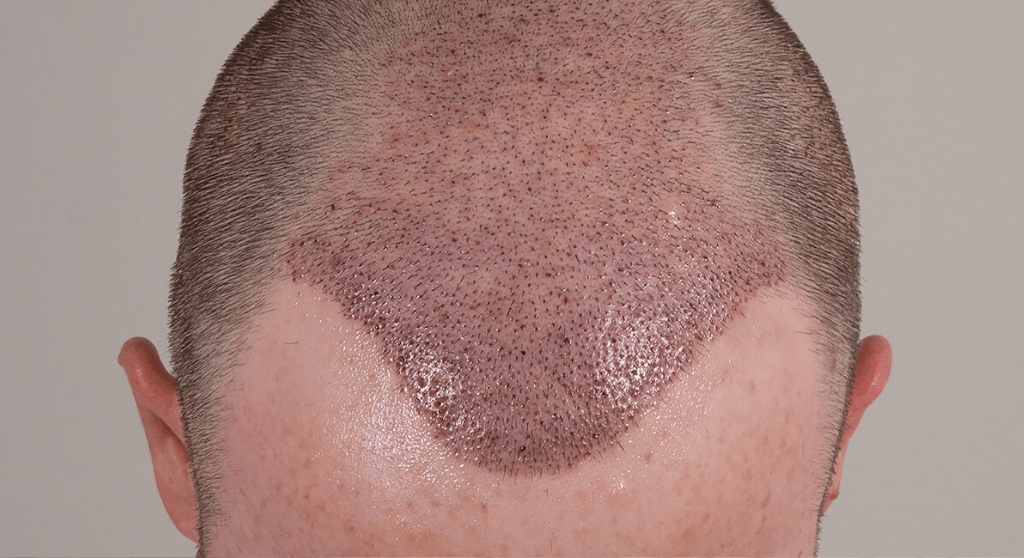
- Day 1Surgery takes 4 to 8 hours under local anaesthesia, and you go home the same day with a written aftercare plan for washing, sleeping position and medicines.
- Day 3Swelling is usually at its peak. Some patients notice it on the forehead for 3 to 5 days.
- Days 5 to 7Most FUE hair transplant patients go back to light work.
- Days 7 to 10Swelling settles and the scabs fall off.
- Weeks 2 to 8Temporary shedding, also called shock loss. The grafted hairs fall, but the roots stay in place.
- Months 3 to 4New hair starts to grow.
- Months 12 to 18The full result shows.
Shedding in weeks 2 to 8 is the stage that worries people most, and it's completely expected. In winter you can wear a loose cap through this stage without anyone giving it a second look.
Hair Transplant Aftercare in Winter: The First Two Weeks
- Sleep with your head raised, as your aftercare plan shows, for the first few nights.
- Wash with lukewarm water only, poured gently, never under a strong shower.
- Wear a loose, soft cap only once your surgeon allows it, and keep wool away from the grafts.
- Stay out of direct sun, even on bright winter afternoons.
- Sit away from heaters and blowers.
- Don't scratch, rub or pick at scabs, however itchy the scalp gets.
- Take your medicines on the schedule given, and keep your follow-up appointment.
For the full list of dos and don'ts, see our guide to the precautions to take after a hair transplant.
Which Season Is Best for a Hair Transplant in Jaipur?
Any season works when aftercare is followed. Here's how they compare on the things that matter in the first few weeks.
| Season | Sweat under a cap | Sun exposure | What to watch for |
|---|---|---|---|
| Winter (Nov to Feb) | Low | Low | Dry air, heaters, hot baths, tight caps |
| Summer (Mar to Jun) | High | High | Heat, sweat and harsh afternoon sun |
| Monsoon (Jul to Sep) | Medium | Medium | Humidity and getting caught in the rain |
Winter simply asks the least of you during recovery. That's why many patients plan for it, but a well-managed transplant in any season can give the same final result.
Hair Transplant Cost in Jaipur This Winter
At CBLM, hair transplants are priced by the graft, and the technique matters more than the season. These are the current guide rates:
| Technique | Per graft | Example: 2,000 grafts |
|---|---|---|
| FUT | ₹20 to ₹30 | ₹40,000 to ₹60,000 |
| FUE | ₹30 to ₹45 | ₹60,000 to ₹90,000 |
| Bio-DHT | ₹45 to ₹60 | ₹90,000 to ₹1,20,000 |
DHI and Bio-FUE hair transplant are quoted only after a scalp check. To estimate how many grafts you may need, try our hair graft calculator, or read the full hair transplant surgery cost breakdown. Some patients also add PRP treatment, which usually means 3 to 4 sessions spaced 4 to 6 weeks apart. Hair transplants are treated as cosmetic, so they're usually not covered by insurance, RGHS or Chiranjeevi Yojana.
When to Call Your Surgeon
Most recovery is quiet, but call the hospital promptly if you notice any of these:
- Redness or swelling that keeps spreading after the first few days
- Pus, a bad smell or yellow crusts on the grafted area
- Fever
- Pain that gets worse instead of better after day 3
- Bleeding that doesn't stop with gentle pressure from clean gauze
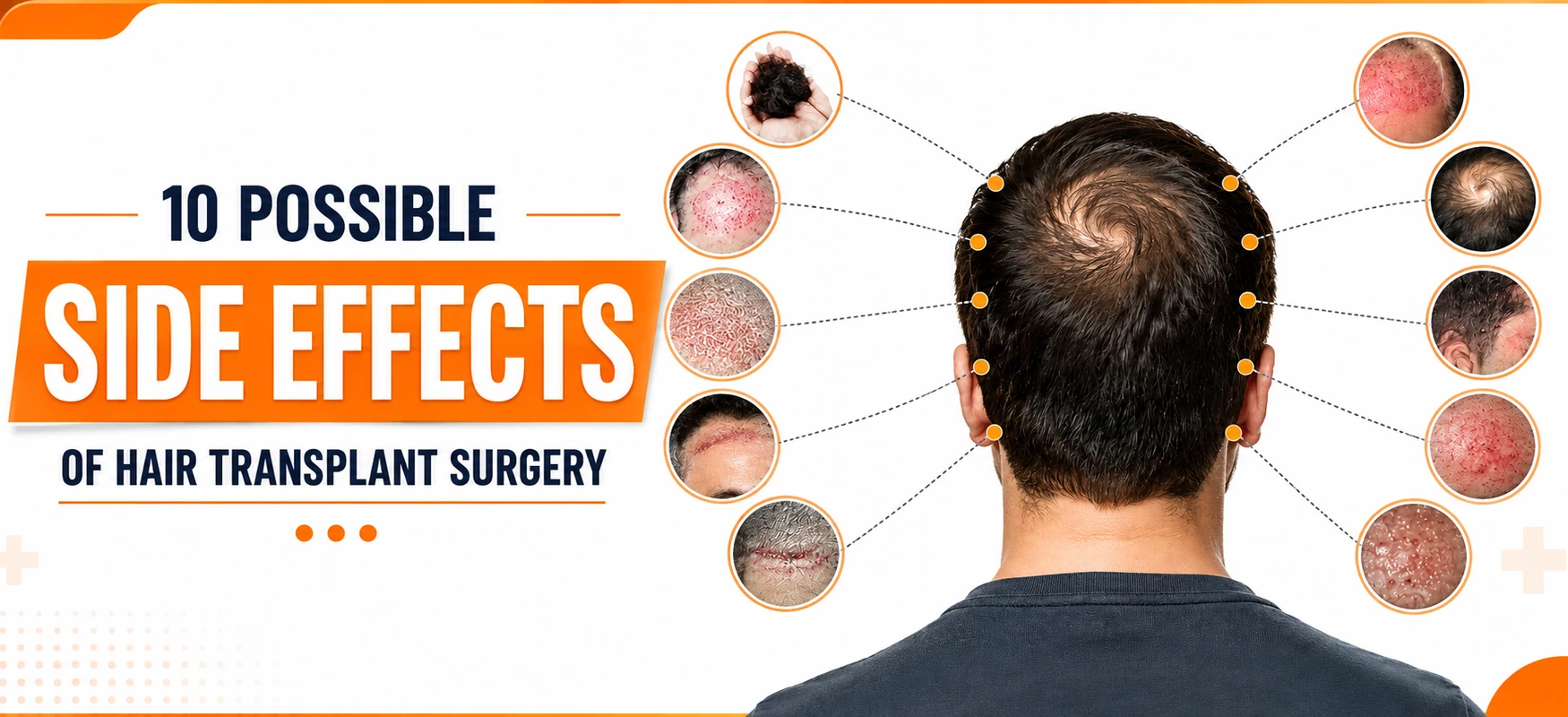
Our page on hair treatment side effects explains which reactions are normal and which ones need a check.
Plan your winter transplant with Dr. Pankaj Agarwal (MBBS, MS General Surgery), who has more than 10 years of experience in hair transplant surgery and performs FUE, FUT and DHI under local anaesthesia.
Call +91 96109 58590, or visit CBLM Holy Family Hospital at 43, 52, 53, Ashok Vihar, Ambabari Bridge, Jhotwara Road, Jaipur 302012.
Frequently Asked Questions
Is winter a good time for a hair transplant?
Yes. You sweat less, the sun is weaker and a cap looks normal, so the first two weeks are easier. The healing timeline itself is the same as in any other season.
Can you wear a woollen cap after a hair transplant?
Not straight away. Avoid tight or rough wool until the scabs fall off, usually 7 to 10 days. Before that, wear only a loose, soft cap, and only if your surgeon allows it.
Can you take a hot water bath after a hair transplant in winter?
Use lukewarm water instead, poured gently over the scalp, for at least the first two weeks. Very hot water and strong shower pressure can irritate fresh grafts.
Can cold weather cause graft failure?
There is no reason to expect it to. The grafts live inside the skin and are kept warm by your own blood supply. Rubbing, scratching and skipping your aftercare plan are far bigger risks than the cold.
How long does hair transplant recovery take in winter?
The same as in any season. Most FUE patients are back at light work in 5 to 7 days, the scabs clear in 7 to 10 days, new hair appears from month 3 to 4, and the full result shows at 12 to 18 months.
What is the best season for a hair transplant?
In Jaipur, winter (November to February) suits most patients, because of the low sweat and weak sun. The best month is really the one where you can take 5 to 7 days off and follow the aftercare plan without interruptions.